How to Start an Online Business With $0: A Real Beginner’s Guide
A few years ago, a friend of mine sat me down and said something that stuck with me: “I keep waiting until I have enough money saved up to start a business.” She’d been saying that for three years. Meanwhile, another friend of mine — with genuinely less savings, less experience, and honestly less confidence — had quietly built a freelance writing business on the side that was pulling in more than her part-time job within eight months. She never had a big pile of startup capital. She had a laptop, a Wi-Fi connection, and a willingness to start messy.
That contrast is basically the whole story of online business today. The old rulebook said you needed money to make money — rent for an office, capital for inventory, a budget for staff and advertising. That rulebook is mostly obsolete now. The internet quietly rewrote the rules, and most people haven’t caught up to just how much has changed.
You genuinely can start an online business with zero dollars in your pocket. Not “almost zero.” Zero. Thousands of people have done exactly that, using free platforms, the audience-building power of social media, and digital marketplaces that didn’t exist a generation ago. Some of them are doing this for a bit of extra income on the side. Others have turned it into a full-time career that replaced their old job entirely.
In this guide, I want to walk you through the whole thing honestly — no hype, no “get rich by Friday” nonsense. We’ll cover whether this is genuinely realistic, the best business models for someone starting with nothing, the exact steps to get moving, the free tools that make it possible, and what it actually takes to grow once you’ve got something off the ground.
By the end, you should have a clear, honest picture of how to start your own online business from absolute scratch, without spending a cent to do it.
Wait — Is This Actually Real, or Is It Too Good to Be True?
Let’s deal with the obvious skepticism first, because you should have some. Yes, it’s genuinely possible to start a business with zero financial investment. But — and this matters — “zero money” doesn’t mean “zero cost.”
You will still be paying with something. Just not cash.
You’ll be paying with your time. You’ll be paying with effort, especially in those unglamorous early weeks when nothing seems to be working. You’ll be paying with your willingness to learn things you don’t currently know how to do. And you’ll be paying with consistency — showing up and doing the work even on the days it feels pointless.
Nearly every successful online entrepreneur you’ve heard of started with barely any resources. What they had instead was a decent set of skills (or the patience to build them), some creativity, and a smart use of free tools that let them punch well above their financial weight. The real trick, the thing that makes this whole “zero investment” idea actually work, is choosing a business model that doesn’t require inventory, doesn’t require a physical office, and doesn’t demand a pile of upfront cash before you can even open your doors.
So no, it’s not a scam or a fantasy. It’s a genuinely different set of rules than the ones our parents’ generation had to play by. But it’s also not magic — it still takes real work.
Why Beginners Have It Easier Online Than They Think
If you’re nervous about being a total beginner, here’s some good news: the online world is actually one of the friendliest environments for beginners that has ever existed in the history of business.
The startup costs are almost embarrassingly low. Plenty of profitable online businesses require nothing more than a laptop and a decent internet connection. No lease, no inventory, no employees.
Your potential audience is the entire planet. A local bakery can only ever serve the people who happen to walk past it. Your online business can serve someone in Ohio, someone in Manila, and someone in Lagos — all on the same afternoon.
You control your own hours. You can run this business from your kitchen table at 6 a.m. before your day job starts, or at midnight after your kids are asleep. Nobody’s clocking you in.
A lot of it can run on autopilot. Once you learn the right tools, huge chunks of your business — scheduling posts, sending emails, managing client inquiries — can be automated so you’re not manually doing everything forever.
The growth ceiling is basically nonexistent. A local shop is capped by its neighborhood. An online business, in theory, has no cap at all. It can scale in ways a brick-and-mortar location simply can’t.
None of this guarantees success, obviously. But it does mean the barrier to entry — the thing that used to keep most people out of entrepreneurship entirely — has essentially collapsed.
Step 1: Pick a Business Model That Actually Fits a $0 Budget
This is where most people either get it right or completely derail themselves before they’ve even started. The business model you choose needs to genuinely require little to no money to begin. Let’s go through the strongest options, one at a time.
Freelancing: Sell What You Already Know
If you’re looking for the single easiest way to get moving with zero investment, it’s this one. Freelancing means you’re not creating or shipping a physical product — you’re selling your own skills and time directly to people who need them.
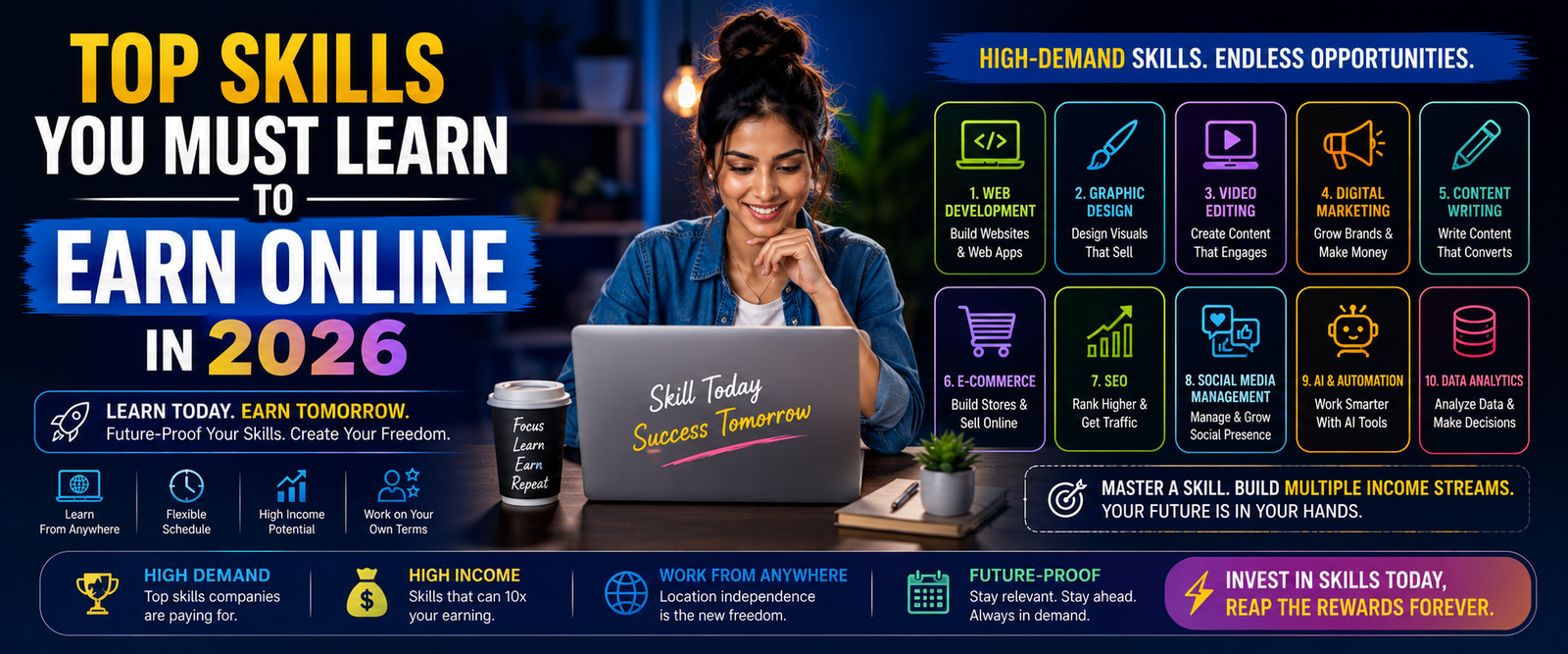
Some of the most in-demand freelance services right now include content writing, graphic design, video editing, web development, SEO work, social media management, and translation. You don’t need to be a world-class expert in any of these to start — you need to be genuinely useful to someone, and get a little better with every project.
Platforms like Upwork, Fiverr, Freelancer, and PeoplePerHour exist specifically to connect people with these skills to clients who are actively looking for them. It’s not unusual for a motivated beginner to land their first paying gig within a few weeks of setting up a profile — the barrier really is that low.
Blogging: Turn What You Know (Or Love) Into a Website
Blogging is the classic online business model, and it’s stuck around for a reason — it still works. The concept is simple: you build a website, and you publish articles about a subject you genuinely care about or know well.
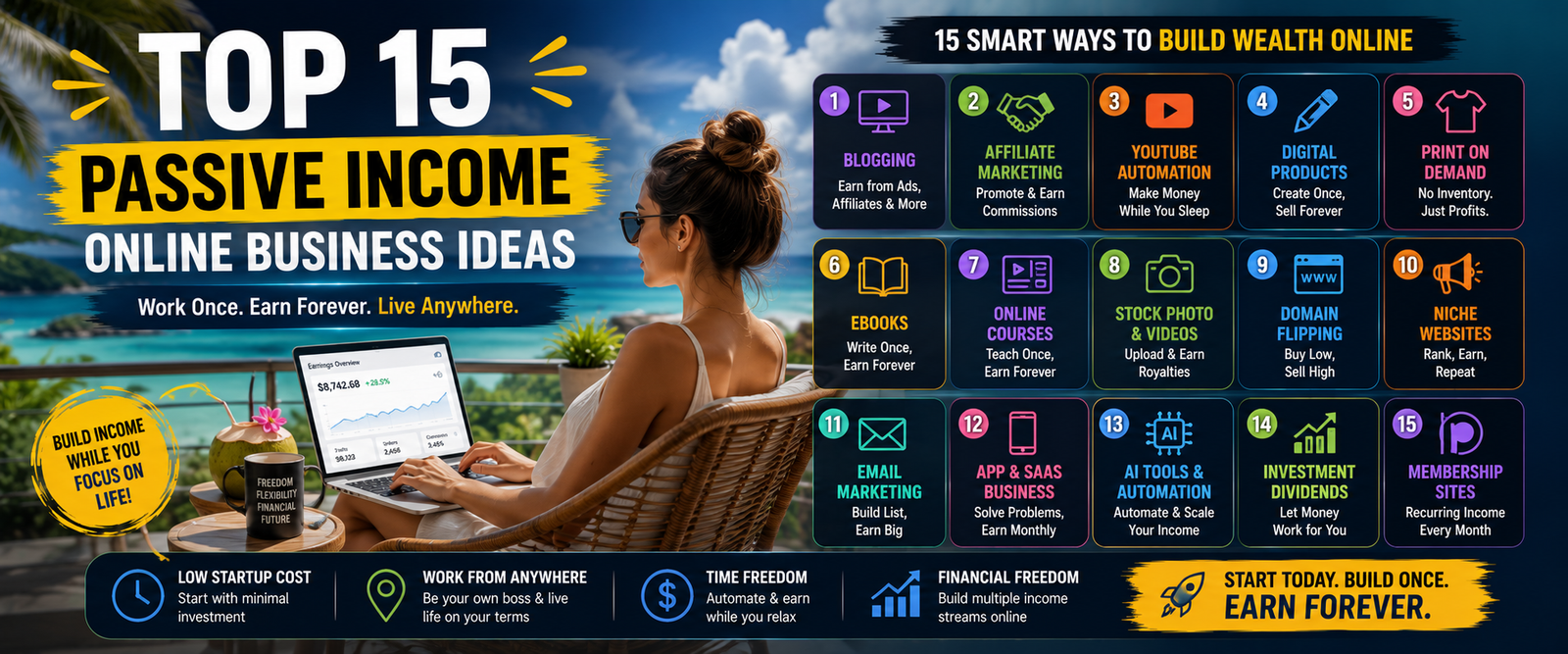
Some of the strongest niches right now include technology, personal finance, health and fitness, travel, gaming, and the fast-growing world of AI and software tools. Once your blog starts attracting a steady stream of visitors, there are several ways to turn that traffic into income — display advertising, affiliate marketing, sponsored content from brands, and selling your own digital products. It’s not an overnight process, but plenty of bloggers have grown their sites into businesses earning several thousand dollars a month.
Affiliate Marketing: Get Paid to Recommend
Affiliate marketing is appealing because you never have to build a product of your own. Instead, you promote other companies’ products, and when someone buys through your unique referral link, you earn a cut of that sale.
Some of the biggest affiliate programs include Amazon Associates, ShareASale, ClickBank, Impact, and CJ Affiliate. You can run affiliate marketing through a blog, a YouTube channel, social media accounts, or even an email list. The beauty of it is you’re leveraging products that already exist and already have demand — your job is simply connecting the right audience to the right product.
Print-on-Demand: Design Without the Inventory Headache
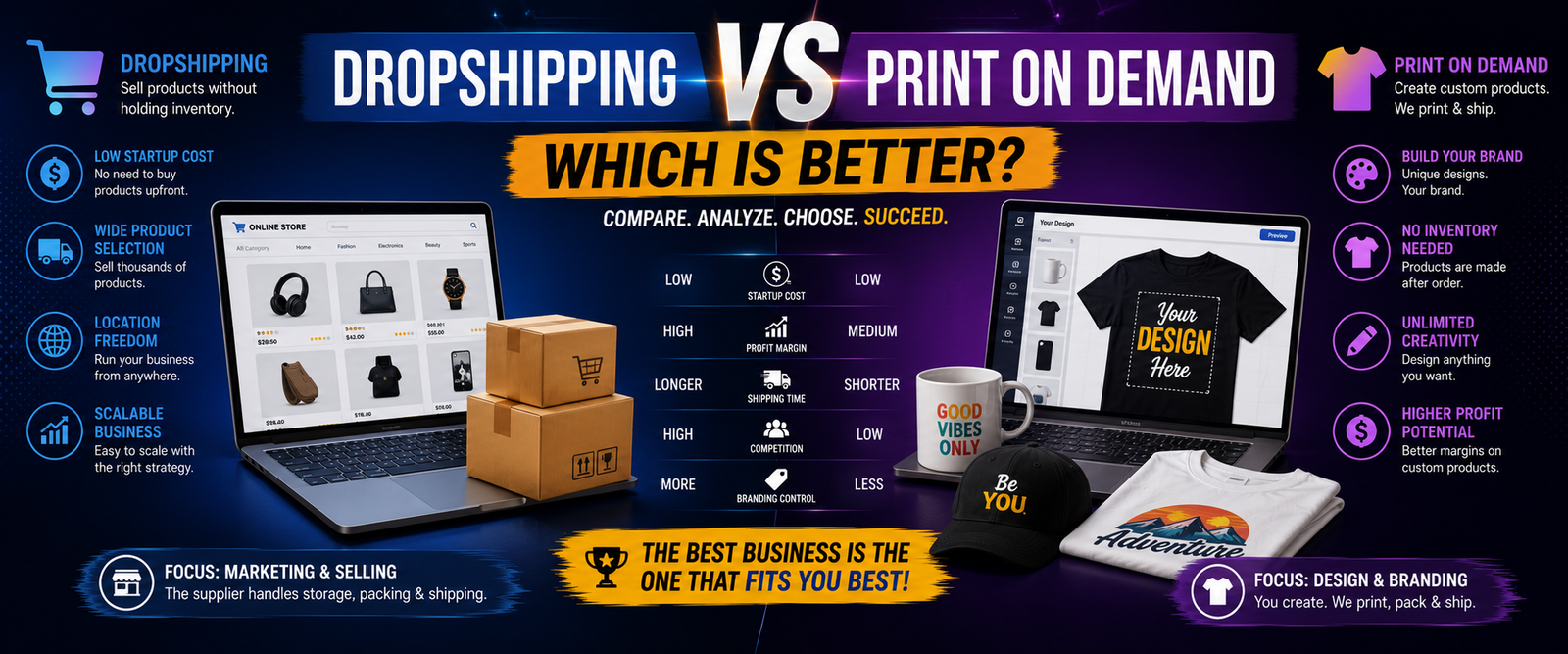
If you’ve got a creative streak, print-on-demand lets you sell custom-designed products — t-shirts, hoodies, mugs, phone cases, posters — without ever holding a single item of physical inventory. You design it, a customer orders it, and a third-party supplier prints and ships it directly to them.
Platforms like Redbubble, Teespring, Printify, and Printful handle all the logistics on the back end. This model demands creativity more than technical skill, and there’s genuinely no upfront cost to get your designs listed.
Dropshipping: E-Commerce Without the Warehouse
Dropshipping works similarly to print-on-demand but covers a much broader range of products. You set up an online store, list items sourced from suppliers, and when a customer places an order, the supplier ships the product directly to them — you never touch the inventory yourself.
The basic flow looks like this: build your storefront, list products from a supplier, wait for customers to order, and let the supplier handle fulfillment. Some platforms charge small fees along the way, but many marketplaces let you get started completely free.
Content Creation: Build an Audience, Then Monetize It
Content creation has exploded into one of the fastest-growing paths to an online business — think YouTube channels, TikTok accounts, Instagram pages, or podcasts. The starting cost here can genuinely be zero, since plenty of successful creators began with nothing more than a smartphone camera.
Once you’ve built a real audience, the monetization options open up quickly: advertising revenue, brand sponsorship deals, affiliate partnerships, and eventually your own merchandise. This path takes patience — audiences don’t build themselves overnight — but it has arguably the highest ceiling of any option on this list.
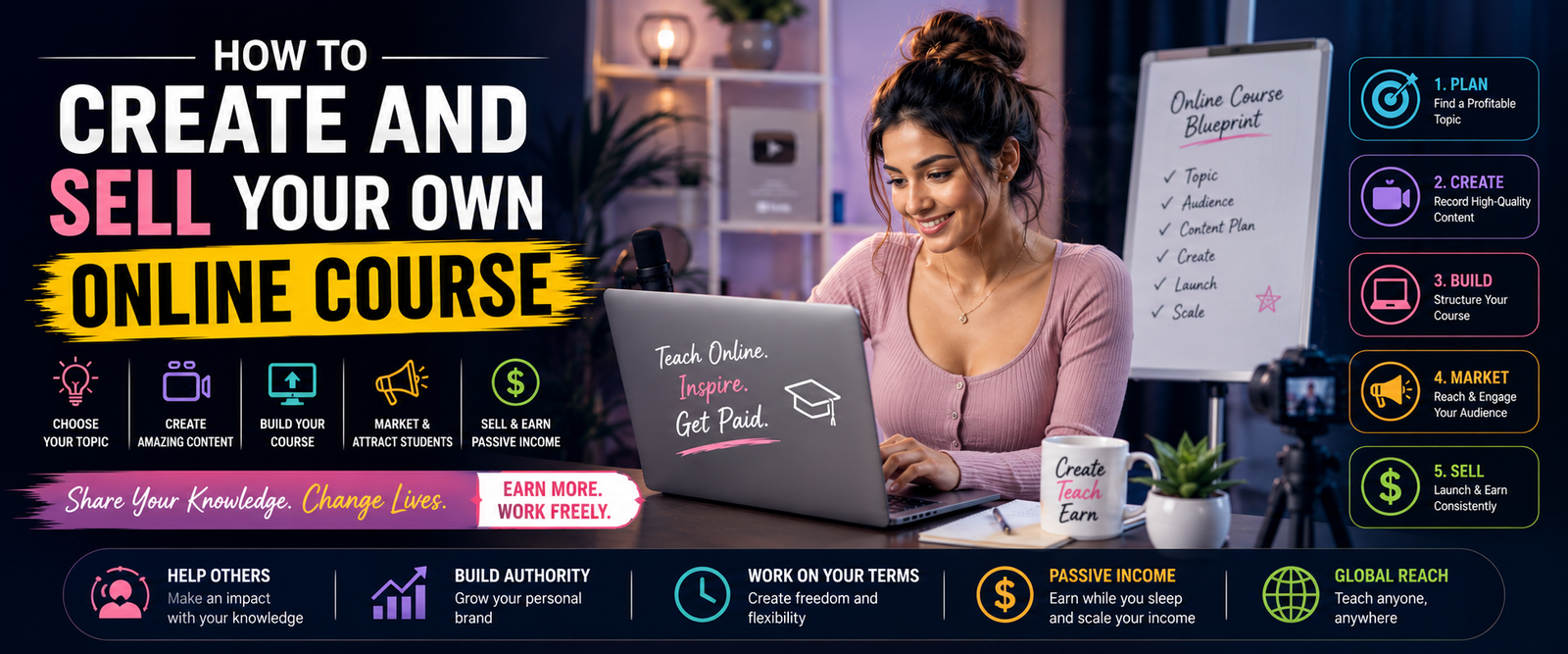
Online Tutoring: Teach What You Already Know
If you’ve got real expertise in a subject, online tutoring is a direct, straightforward way to turn that knowledge into income. Popular subjects include mathematics, English, programming, science, and music. A number of platforms now exist specifically to connect tutors with students from all over the world, meaning your potential client base isn’t limited to your city or even your country.
Step 2: Get Honest About What You’re Actually Good At
Before you commit to any single path above, take a real, honest inventory of your own skills. This step gets skipped constantly, and it’s a mistake — picking a business model that doesn’t fit your actual strengths is one of the fastest ways to burn out before you’ve even gotten started.
Sit with a few questions for a while: What am I actually good at? What do I know more about than the average person? What problems have I solved for myself or others that other people might pay to have solved for them?
Even skills that feel completely ordinary to you can become genuinely profitable online. If you’re a strong writer, that opens the door to a content writing business. If you’ve got an eye for design, that translates directly into graphic design services. If you’re naturally good at explaining things, online tutoring might be your lane. The skills you already have — the ones you might be underestimating precisely because they come easily to you — can dramatically shorten your learning curve compared to starting something from absolute zero.
Step 3: Stop Trying to Reach Everyone
Here’s a mistake nearly every beginner makes at least once: trying to build something for “everyone.” It sounds like the safe, broad choice, but it almost always backfires. The businesses that actually succeed tend to solve a specific problem for a specific group of people.
Instead of trying to be a general fitness page, blog, or service, narrow it down. Think in terms of niches — fitness advice specifically for total beginners, personal finance content aimed at students, travel tips built around budget travel, or AI tool reviews aimed specifically at bloggers.
Picking a niche isn’t limiting yourself — it’s the opposite. A tightly defined niche makes it far easier to stand out in a crowded space and build real authority, because you’re not competing with every generalist out there. People trust specialists more than they trust generalists, and that trust is what eventually turns into paying customers.
Step 4: Build Some Kind of Online Presence
Once you’ve settled on a business model and a niche, you need somewhere for people to actually find and trust you. This usually comes down to a combination of a few things.
A website or blog gives you a home base and builds credibility — it signals to potential clients or customers that you’re a real, serious operation, not just someone who showed up yesterday. Social media, whether that’s Instagram, YouTube, or LinkedIn depending on your niche, helps you reach an audience quickly and build a relationship with them over time. And if you’re offering services rather than products, a portfolio showcasing your actual work is often the single most persuasive thing you can put in front of a potential client.
Step 5: Run Your Business on Tools That Cost Nothing
One of the biggest reasons a $0 business is actually achievable today is the sheer volume of powerful free tools available to anyone with an internet connection.
For building a website, platforms like WordPress, Blogger, and Wix all offer free tiers that are more than capable of getting you started. For design work, Canva and Photopea can produce genuinely professional-looking graphics without needing to touch expensive software like the Adobe suite. For writing, tools like Grammarly and various free AI writing assistants can help you polish your content and catch mistakes before they go live. And for marketing, tools like Mailchimp handle email marketing and Buffer handles social media scheduling, both with generous free plans for beginners.
Put together, these tools mean you can genuinely run a functioning business — website, design, content, and marketing all included — without spending a single dollar on software.
Step 6: Land Your First Customers (The Hardest Part)
I won’t sugarcoat this one: finding your very first customers is almost always the hardest part of the entire process. After that first sale or client, things tend to get easier — you’ve got proof it works, maybe a testimonial, and a little bit of momentum. But that first one takes real effort.
Freelance marketplaces like Fiverr and Upwork are specifically designed to help beginners find clients, so they’re a natural starting point if you’re offering a service. Social media marketing — actively promoting what you offer on the platforms where your specific audience already spends their time — can also generate real interest, especially if you’re consistent about it. Online communities are another underrated source: forums, Facebook groups, and relevant Reddit communities are full of people actively looking for exactly what you might be offering. And don’t underestimate simple cold outreach — reaching out directly to potential clients and offering your services, even when it feels a little uncomfortable, remains one of the most effective ways to land early work.
Step 7: Build a Reputation Worth Trusting
In the online business world, your reputation is basically your entire currency. There’s no storefront for people to walk past and judge by its appearance — your reviews, your track record, and your word are what people are actually buying into.
A few habits build that trust steadily over time: consistently delivering high-quality work, meeting your deadlines without excuses, communicating clearly so clients or customers always know where things stand, and actively asking satisfied clients for reviews and testimonials. That last one matters more than people realize — positive reviews have a way of compounding, bringing in future sales almost on their own.
Step 8: Once You’re Earning, Put Some of It Back In
Once your business starts generating actual income — even a small amount — it’s worth reinvesting a portion of it back into growth rather than treating every dollar as pure profit to spend elsewhere.
That reinvestment might go toward paid marketing to reach a wider audience faster, upgrades to your website that improve the customer experience, premium versions of tools you’ve been using for free, or eventually hiring other freelancers to help you take on more work than you could handle alone. Reinvesting doesn’t need to happen all at once or in large amounts — even small, consistent reinvestment tends to compound over time and speeds up how quickly your business scales.
The Honest Challenges You’ll Probably Run Into
It wouldn’t be a fair guide if I didn’t tell you about the harder parts too. Starting with zero investment is genuinely possible, but it’s not without real friction.
Growth tends to be slower. Without a paid advertising budget behind you, building an audience or client base generally takes more time than it would for a competitor with money to spend on ads.
You’ll need to learn as you go. Very few people arrive with every skill they need already polished. Expect to spend real time learning — and that learning curve can be frustrating in the early weeks.
Competition is real. The low barrier to entry that makes this accessible to you also makes it accessible to everyone else. Online markets, especially popular niches, can be crowded.
None of these challenges are dealbreakers. They’re simply the price of admission. The entrepreneurs who make it through tend to be the ones who treat patience and consistency as core parts of the strategy, not just a nice sentiment.
What Actually Separates the People Who Succeed
After looking at enough of these stories, a pattern starts to emerge. The people who make it aren’t necessarily the most talented or the most naturally gifted — they tend to share a handful of habits.
They focus relentlessly on providing real value, prioritizing what actually helps their audience over what simply looks impressive. They show up consistently, understanding that success in this space is rarely an overnight event — it’s built through repetition over months, not days. They keep learning, because online industries shift quickly, and what worked last year might not work this year. They build genuine relationships within their niche, because networking has a way of turning into partnerships and client referrals down the line. And above everything else, they stay patient, understanding that most of the “overnight success” stories you hear about actually took years of unseen work behind the scenes.
A Realistic Timeline: What to Actually Expect
If there’s one thing beginners consistently get wrong, it’s the timeline. Social media makes it look like people go from zero to six figures in a matter of weeks. In reality, most sustainable online businesses follow something closer to this pattern.
In the first three months, you’re mostly learning and laying the foundation — figuring out your niche, building your first pieces of content or your first client pitches, getting comfortable with your tools. Between three and six months, you’ll typically start landing your first real customers and seeing small but genuine income start to trickle in. From six months to a year, if you’ve stayed consistent, you should start to see your audience and revenue actually growing at a noticeable pace. And somewhere in the one-to-three-year range, a genuinely committed entrepreneur can scale what started as a side project into a full-time, sustainable business.
Consistency, more than any single tactic or trick, is the thing that determines whether someone makes it through that timeline or gives up somewhere around month four when the results still feel small.
Where This Is All Heading Next
The internet economy isn’t slowing down — if anything, it’s opening up new doors faster than most people can keep track of. A few areas worth watching closely if you’re thinking long-term include AI-powered businesses and tools, standalone digital products, online education, the broader creator economy, and remote service-based work of all kinds.
Entrepreneurs who stay flexible and pay attention to where these trends are heading tend to be the ones who end up building the most profitable businesses over the next several years — not necessarily because they’re smarter, but because they were paying attention and willing to adapt.
Final Thoughts
Starting an online business with $0 isn’t just theoretically possible — it has genuinely become one of the most accessible paths to building real income that has ever existed. You don’t need a business loan. You don’t need rich relatives. You don’t need a warehouse full of inventory sitting in the garage.
What you actually need is the skills you already have, a handful of free tools, the social media platforms already sitting on your phone, and the digital marketplaces that are open to absolutely anyone willing to show up and try. Success still demands real time and real dedication — nobody’s handing this to you for free just because the tools happen to be free — but the potential upside is enormous, and the starting line has never been more level.
Whether you end up gravitating toward freelancing, blogging, affiliate marketing, or building an audience through content creation, the single most important step is the one most people never actually take: starting.
Previous generations simply didn’t have this option. You do. All it takes now is consistency, a willingness to keep learning, and the persistence to keep going through the slow months before things start to click.