
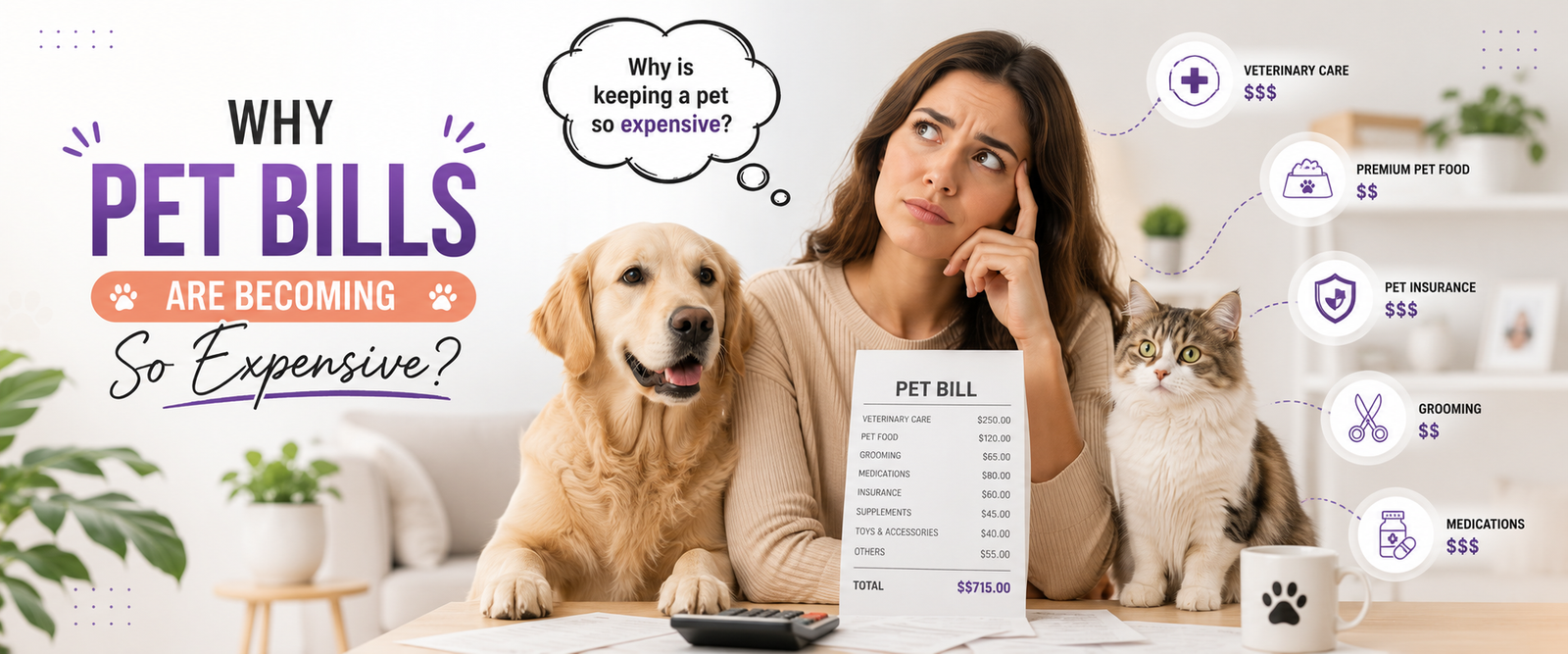
Why Pet Bills Are Becoming So Expensive (And What You Why Pet Bills Are Becoming So Expensive (And What You Can Actually Do About It)Can Actually Do About It)
There’s a specific kind of dread that’s become familiar to a lot of pet owners lately: your dog eats something he shouldn’t have, or your cat starts limping, and instead of just worrying about them, you’re also doing quiet math in your head about what the vet visit is about to cost. That second layer of anxiety — the financial one, stacked right on top of the emotional one — has become a defining feature of pet ownership in a way it simply wasn’t a decade ago.
If it feels like vet bills have crept up faster than almost everything else in your budget, you’re not imagining it. Veterinary costs have risen roughly 67% since 2014, far outpacing overall consumer price inflation of about 40% over the same period. Over the past two decades, veterinary service inflation has surpassed general inflation rates by more than 60% within the consumer price index. That’s not a minor gap — it means the cost of caring for your pet has been growing meaningfully faster than the cost of, well, almost everything else you buy.
This isn’t a story about greedy vets or a single villain to blame. It’s a genuinely tangled mix of economic forces — labour shortages, advancing medical technology, corporate consolidation, supply chain pressure, and shifting consumer behaviour — all pushing in the same direction at once. This guide walks through exactly why pet bills have gotten so expensive, what’s actually driving each piece of the increase, and — because understanding the “why” only gets you so far — a practical rundown of the tools real pet owners are using right now to keep costs manageable without compromising their pet’s care.
The Numbers, Laid Out Plainly
Before getting into causes, it helps to see just how much things have shifted in a short window. The average cost of the last veterinary visit reported by pet owners hit $200 in 2025, up from $190 in 2023 and $147 in 2024 — worth noting that visit costs haven’t just risen steadily, they’ve been genuinely volatile year to year, which makes budgeting for pet care harder than budgeting for a more predictable expense. Pet care costs overall rose by nearly 15% in a single recent year, and initial veterinary fees rose by as much as 32% in some areas. Even something as routine as adopting a cat now runs anywhere from $700 to $3,000 upfront, a 5% increase from the year before.
Total US spending on veterinary care and products reached a new high in 2025, a 4% year-over-year increase, with average annual spending per dog owner rising well above what cat owners spend — dog owners average considerably more per year, while cat owners average around $253 annually. And this is happening even as the number of actual vet visits has been falling. The typical pet owner visited the vet only twice in the past year, with just 15.8% visiting three or more times — fewer visits, but each one costing noticeably more than it used to.
That combination — fewer visits, higher prices per visit — is the single most important pattern to understand about what’s happening in veterinary care right now, and it’s worth sitting with for a moment before we get into the individual causes, because it explains a lot of what pet owners are actually experiencing day to day.
1. Veterinary Wages Have Finally Caught Up — And That Costs Money
For a long time, veterinary medicine was a chronically underpaid profession relative to the training it required — years of demanding schooling followed by starting salaries that lagged well behind human medicine despite comparable educational debt. That gap has been closing, and closing fast, which is good news for the people caring for your pets but a real driver of cost for the bills you pay.
A competitive job market has driven long-overdue wage increases for veterinarians and support staff, and higher wages necessary to retain skilled veterinary professionals are a major contributor to rising costs across the industry. Veterinary clinics, like most small and mid-sized service businesses, run on relatively thin margins, and staff compensation is typically their single largest expense. When wages rise to keep pace with a genuinely tight labour market for trained veterinary technicians, licensed vets, and support staff, those costs flow fairly directly into what clients are charged.
This isn’t a cynical or unreasonable dynamic — veterinary professionals have historically been undercompensated relative to the emotional and physical demands of the job, and the profession has struggled for years with burnout and high turnover partly because of it. But it does mean that a genuinely positive shift for veterinary workers shows up on the other side of the ledger as a real cost increase for pet owners.
2. Medical Technology Has Advanced — And Advanced Care Isn’t Cheap
Veterinary medicine today looks almost nothing like it did a generation ago. Pets can now receive MRIs, chemotherapy, orthopaedic surgery, and specialist cardiology care that simply didn’t exist as an option for most animals a few decades back. Advanced imaging equipment and surgical tools require very expensive upkeep, and specialist care for conditions like heart disease, cancer, and joint problems carries significantly higher fees than routine treatment.
This is, in a real sense, a good problem to have — pets are living longer, healthier lives partly because veterinary medicine has become genuinely more capable. One underappreciated reason vet bills feel shockingly high is that veterinary medicine’s standards have risen and are now approaching those of human medicine in terms of diagnostic precision and treatment sophistication. But that sophistication comes with real infrastructure costs: imaging machines, specialized surgical equipment, climate-controlled drug storage, and highly trained specialists all cost significant money to maintain, and clinics have to recoup those investments through the fees they charge.
The upside of this shift is real — dogs and cats today routinely survive conditions that would have been a death sentence twenty years ago. The downside is that the price of that medical progress gets passed directly to the people footing the bill.
3. Supply Chain and Medication Costs Keep Climbing
Like nearly every other industry, veterinary medicine has been squeezed by broader supply chain pressures and rising input costs. The cost of medical equipment, medications, and supplies has risen significantly, largely due to inflation. Inflation, supply chain issues, and manufacturer pricing changes have all led to increased costs for medical supplies and pharmaceuticals that clinics need to keep on hand.
This extends beyond the clinic walls too. Supply chain increases directly impact the cost of pet food and care items like toys, supplements, and bedding, since manufacturers are paying more to buy supplies and make their products, and those costs get passed on to pet owners. So the pressure isn’t isolated to vet visits alone — it’s showing up across the entire cost of owning a pet, from the bag of food you buy every month to the flea and tick prevention you pick up at the pharmacy counter.
4. Fewer Visits, Higher Prices: A Feedback Loop That’s Hard to Break
Here’s where the story gets more structurally interesting, and honestly a little concerning for the long-term health of the industry itself. Annual veterinary visit declines have been remarkably persistent: down 3.5% in 2022, 1.4% in 2023, 2.6% in 2024, and 3.1% in 2025, according to industry data analysing transactional records from thousands of US veterinary practices. Wellness visits — the routine, preventive kind — declined even more steeply, falling 3.8% in 2025 alone, meaning the discretionary, preventive end of pet care is absorbing most of the pullback while pets are still being brought in when they’re genuinely sick.
Veterinary practices raised prices by an average of 6.57% for services between 2024 and 2025, but revenue only grew by about 5.4% — a gap explained by the decrease in patient visits. In plain terms: clinics have been raising prices to cover their own rising costs, and pet owners have responded by visiting less often, which pressures clinic revenue, which in turn creates pressure to raise prices further at the next round. This is a structural tension that price increases alone can’t resolve indefinitely — clients who can’t absorb further cost increases reduce visit frequency further, which reduces revenue, which creates pressure to raise prices again.
This cycle helps explain something that might otherwise seem confusing: how can an industry be raising prices while simultaneously seeing fewer customers walk through the door? The answer is that it’s not really one industry-wide strategy — it’s thousands of individual clinics each responding rationally to their own rising costs, with the aggregate effect being a slow-motion affordability squeeze on pet owners.
Cost sensitivity among pet owners has become genuinely visible to the people providing care — 81% of veterinarians surveyed said clients seemed more cost-sensitive in 2025 than the year before, frequently declining nonessential diagnostics, procedures, and preventive care. The gap between veterinary inflation and core inflation has been significant enough that Vetsource’s own vice president of sales described veterinary inflation as having “significantly outpaced core inflation for the past four years”, calling it an increasingly clear deterrent for pet owners, particularly those managing tighter household budgets.
5. Corporate Consolidation Has Changed the Economics of Clinics
One factor that gets discussed less often in mainstream coverage, but that industry insiders point to consistently, is the wave of corporate consolidation that has swept through veterinary medicine over the past several years. The acquisition of privately-owned veterinary practices by corporate consolidators, often backed by private equity firms seeking high returns on their investments, has accelerated significantly since 2017.
The concern raised by industry critics is straightforward: corporate consolidators require significantly greater revenue to be profitable than the independent, often family-run practices they acquire, which historically operated with different financial expectations and often lower overhead pressure. Reports indicate that veterinarians working under these corporate ownership models are sometimes encouraged to meet specific financial targets, which may influence service pricing and the range of services offered or recommended. This dynamic has drawn enough attention that regulatory bodies have begun looking into transparency requirements and potential pricing caps to help manage these increases.
It’s worth being fair here: not every corporately-owned clinic behaves this way, and consolidation has also brought real benefits in some cases — better access to capital for advanced equipment, more consistent staffing, and expanded hours in some markets. But the underlying financial logic of private-equity-backed consolidation genuinely differs from that of an independently owned practice, and it’s a meaningful piece of the pricing story that deserves acknowledgment alongside the more sympathetic explanations like rising wages and medical advancement.
6. The Human-Animal Bond Itself Has Changed What “Care” Means
There’s a less economic, more cultural shift underneath all of this too. Pets have moved, for a large share of owners, from “animal you keep” to genuinely regarded family member — and that shift in how people relate to their pets has directly changed what kind of care they expect and are willing to pursue. Where a difficult diagnosis decades ago might have simply meant humane euthanasia without much consideration of alternatives, today it’s far more common for owners to want to explore chemotherapy, surgery, or specialist referral, the same way they would for a family member. That’s a beautiful thing in a lot of ways — it reflects how deeply pets have become woven into people’s emotional lives — but it also means the “ceiling” on what pet owners are willing to spend, and what veterinary medicine is now equipped to offer, has risen substantially, and pricing has risen right alongside it.
The Human Cost of This Squeeze
It’s worth pausing on what this affordability gap actually means for real families and real pets, because the consequences go beyond an uncomfortable credit card statement. A survey found that pet owners would consider “economic euthanasia” — choosing to euthanize a pet primarily because they cannot afford treatment — when faced with a veterinary bill of $2,500 or more. News coverage from major outlets has reported rising pet surrender rates in several cities, with rising costs cited as a significant factor in owners’ decisions to give up their pets. A meaningful share of pet owners has cited an inability to afford medical bills as a direct reason for rehoming their pet.
This is the sobering backdrop behind all the statistics above: rising vet costs aren’t just an inconvenience showing up in a monthly budget. For a meaningful number of families, they’re becoming a genuine driver of heartbreaking decisions about whether they can keep their pet at all. That’s exactly why understanding practical ways to manage these costs matters — not as a minor budgeting tip, but as something that can materially change outcomes for pets and the people who love them.
What Pet Owners Can Actually Do About It
None of the structural forces above are things an individual pet owner can fix. But there’s a genuinely useful toolkit of strategies that real pet owners are using right now to keep costs manageable, and it’s worth walking through them honestly — including where each one falls short.
Get Pet Insurance Early, Not After Something Goes Wrong
Pet insurance is probably the single most impactful tool available, but its value depends heavily on timing. Enrolling a pet while young typically results in lower starting premiums, since puppies and kittens tend to have fewer pre-existing conditions and lower overall risk profiles. That timing matters for a specific structural reason: once a condition is documented before coverage begins, it’s generally excluded from future coverage entirely, which is why getting insurance while your pet is still healthy provides meaningfully broader protection than waiting until a health issue actually appears.
If premium cost is the concern, there are real levers to pull. Choosing a 70% reimbursement rate instead of a 90% rate can meaningfully reduce your premium while still covering the large majority of eligible vet bills, and ensuring multiple pets together often unlocks multi-pet discounts from many providers. It’s also worth knowing that the pet insurance market itself has grown substantially — over 7 million pets are now insured across North America, with the market expanding at roughly 20.8% annually — which has led to more competition and more plan options than existed even a few years ago.
The honest caveat: pet insurance isn’t free, and premiums are rising too, partly for the same underlying reasons vet costs are rising in the first place. Pet insurance operates on a risk-pooling model — pet owners collectively contribute to a shared fund used to cover unexpected medical expenses, and the larger and more diverse that pool, the more stable and affordable premiums can be for everyone. But according to industry tracking data, only about 4% of US pets are currently insured, which is a small pool relative to the size of the pet population, and a smaller risk pool generally means less stable, less favourable pricing than a more mature insurance market would offer.
Lean Into Preventive Care, Even Though It Feels Counterintuitive When Money Is Tight
It’s a natural instinct to cut routine wellness visits first when money gets tight — they feel optional in a way emergency care doesn’t. But this is precisely the area where cutting corners tends to backfire financially. Staying on top of preventive care is a genuinely good investment that can lower total pet care costs in the long run — vaccinations, spay/neuter procedures, and microchipping are essential but don’t have to be especially expensive. Preventive care supports early detection and ongoing health monitoring, which can help avoid the kind of much larger, much more expensive bills that come from a condition being caught late.
Some clinics have responded to this exact dynamic by building products specifically designed to keep preventive care affordable and predictable. Wellness memberships bundle routine services together and let owners break up costs over time, making budgeting for preventive care considerably easier than paying for each visit individually. These bundled wellness plans have become an increasingly common offering across veterinary practices specifically as a way to help manage the costs associated with a pet’s overall wellbeing.
Talk to Your Vet Directly About Cost — It’s a More Normal Conversation Than It Used to Be
There’s often a real reluctance to bring up money with a veterinarian, as if it’s an inappropriate or shameful thing to discuss when your pet’s health is on the line. That reluctance is worth pushing past. When your vet presents you with an estimate for care, and you have concerns about affording it, they can often discuss budget-friendly alternatives or payment options directly with you. Discussing treatment alternatives openly with your vet, along with shopping around across different clinics for major or elective procedures, is a legitimate and increasingly common part of managing veterinary costs responsibly.
Many clinics now offer financing options specifically built for this purpose. The CareCredit credit card, widely accepted across veterinary practices, helps clients pay for care over time, including no-interest promotional periods if the balance is paid in full within 6 or 12 months on qualifying purchases. Other financing platforms like Scratch pay offer similar payment-plan structures tailored specifically to veterinary and pet-care expenses, and it’s worth understanding the terms carefully before committing, since promotional no-interest periods typically convert to standard interest charges retroactively if the balance isn’t paid off in time.
Know Where to Turn When a Bill Is Genuinely Beyond Reach
For situations where the numbers simply don’t work even with financing, there’s a growing ecosystem of support specifically built for exactly this problem. Charitable organizations, crowdfunding platforms, and manufacturer rewards programs are all real options worth considering for ongoing or emergency veterinary expenses. Beyond general platforms like GoFundMe, pet-specific crowdfunding options like Waggle.org exist specifically to help cover veterinary bills, often with fee structures and processes tailored to the urgency of a medical emergency. It’s also worth checking with local credit unions about personal loan options and their specific lending criteria, which can sometimes offer more favorable terms than a general-purpose credit card for a larger, unexpected expense.
Be Realistic About What Pet Ownership Actually Costs Before You Bring a Pet Home
None of the tools above are a substitute for realistic financial planning from the outset. Many pet parents genuinely underestimate the total financial commitment that comes with pet ownership, and industry professionals increasingly emphasize that financial preparedness is a critical, not optional, step in making sure a pet receives the care it needs throughout its life. If you’re considering bringing a new pet into your household, treating the true lifetime cost — food, routine care, unexpected emergencies, and the ongoing rise in veterinary prices covered throughout this guide — as part of the decision from day one puts you in a fundamentally stronger position than discovering that reality only after the first major vet bill arrives.
Why the Increase Doesn’t Feel the Same for Everyone
One detail that often gets lost in national statistics is just how unevenly this cost increase has landed. Veterinary costs vary significantly by region, which means a family in a major metro area with a high cost of living is often facing a meaningfully different price environment than a family in a smaller town, even for the exact same procedure. Urban clinics generally carry higher rent, higher staff wages, and often more advanced (and expensive) equipment, all of which get reflected in the bill.
There’s also a real gap by species. Dog owners spend considerably more per year on veterinary care than cat owners on average, and dog owners are far more likely to seek routine veterinary care than cat owners — a meaningful gap between the two groups. Some of that gap reflects genuine differences in how the two species are cared for; cats are often perceived, rightly or wrongly, as needing less frequent checkups, which means health issues in cats can sometimes go undetected longer, ultimately leading to costlier treatment once a problem is finally caught.
Income matters enormously here too, and not just in the obvious sense of who can afford a bill when it arrives. Lower-income areas show higher rates of clients lapsing on veterinary care altogether, illustrating a direct connection between affordability and how consistently pet owners engage with preventive care in the first place. That pattern reinforces the feedback loop described earlier — when cost pressure causes people to delay or skip routine visits, problems that could have been caught early and treated cheaply often surface later as far more expensive emergencies, which in turn deepens the very affordability crisis driving the avoidance to begin with.
A Word on Emergency and Specialty Costs Specifically
Nothing tests a pet owner’s finances quite like an emergency vet visit, and it’s worth understanding why those bills in particular tend to run so much higher than routine care. Emergency and specialty clinics carry a different cost structure than a standard daytime practice — they typically staff around the clock, maintain more advanced diagnostic and surgical equipment on-site, and often employ board-certified specialists in fields like emergency medicine, surgery, cardiology, or oncology, all of which command higher compensation than general practice. Layer in the fact that emergency situations rarely allow time to shop around or seek a second opinion, and it’s easy to see why a single after-hours visit can run into the thousands of dollars even for conditions that would cost a fraction of that if caught during a routine daytime appointment.
This is exactly the scenario pet insurance and emergency savings funds are built to address, and it’s worth thinking about emergency preparedness as a distinct category from routine budgeting. A wellness plan or membership helps smooth out the predictable, recurring costs of keeping a pet healthy. Insurance or a dedicated emergency fund exists specifically for the unpredictable moment — the swallowed object, the sudden limp, the middle-of-the-night collapse — that no amount of preventive care can fully guard against.
The Bigger Picture
It’s genuinely reassuring to know that most of what’s driving up your vet bill isn’t arbitrary or predatory — it’s veterinary professionals finally being paid closer to what their training and responsibility actually warrant, medical technology advancing to genuinely save more pets’ lives, and an industry absorbing the same inflationary pressure hitting nearly every other sector of the economy. That context doesn’t make the bills easier to pay, but it does make them easier to understand, and understanding is the first real step toward planning around them effectively.
The uncomfortable truth is that this trend doesn’t show obvious signs of reversing soon. Wages aren’t likely to fall back down, medical technology isn’t going to get simpler, and the structural tension between rising prices and falling visit frequency described earlier in this guide suggests the industry itself is still searching for a sustainable long-term equilibrium. What that means practically for pet owners is that the tools covered above — early insurance enrolment, consistent preventive care, open conversations with your vet about cost, and a realistic financial plan from the start of pet ownership — aren’t optional extras anymore. They’re becoming the baseline expectation for responsible pet ownership in an environment where veterinary costs are very unlikely to head back down to where they were even five years ago.
Your pet can’t budget for their own care, which means that responsibility sits entirely with you — and the pet owners who are weathering this cost squeeze most comfortably right now are, almost without exception, the ones who started planning for it before an emergency forced the issue.
This article is for general informational purposes and isn’t a substitute for advice from a licensed veterinarian or financial professional. Costs, insurance terms, and financing options vary by provider, location, and individual pet — verify current details directly with providers before making decisions about your pet’s care.