

Best Electric SUVs Under $40,000 in the USA (2026)
A friend of mine spent most of last spring convinced that “affordable electric SUV” was basically a contradiction in terms — something car companies advertised but never actually delivered at a real dealership for a real price. She’d been burned before, walking into a showroom expecting something close to $35,000 and walking out having been shown, almost apologetically, a model that actually started at $52,000 once you added the trim she needed. By the time she finally bought an EV this year, the landscape had genuinely shifted underneath her without her fully realizing it. The federal EV tax credit disappeared in late 2025, and instead of prices spiking as everyone braced for, several automakers quietly cut their base prices by more than the credit used to be worth, just to keep buyers coming through the door.
That’s really the strange, encouraging state of the electric SUV market heading into 2026. The $7,500 federal incentive that used to prop up EV pricing is gone, but rather than the market collapsing, a genuine price war broke out among automakers competing for a smaller, more price-conscious pool of buyers. The upshot is that shopping for an electric SUV under $40,000 in 2026 is a considerably better experience than it was even a year ago — not because manufacturers got generous out of nowhere, but because the competition among them got real.
This guide walks through the best electric SUVs you can actually buy new under that $40,000 line right now, what each one is genuinely good at, where each one falls short, and how to think about the handful of factors — range, charging speed, cargo space, and real-world livability — that actually matter more than a spec sheet number once the car is sitting in your driveway.
Why $40,000 Is the Line Worth Drawing
The average new vehicle in the US, gas or electric, now sits somewhere in the mid-$40,000s, and EVs have historically landed even higher than that average, largely because battery packs are still the single most expensive component in the entire vehicle. Drawing a hard line at $40,000 forces the market to actually make sense for a real household budget — you’re not shopping performance trims with 400-plus horsepower and a sport-tuned suspension nobody needs for a school run. You’re shopping the versions of these vehicles that were genuinely engineered to balance range, comfort, and value, which, as it turns out, is exactly where the most thoughtful electric crossovers on the market currently sit.
At this specific price point, you’re shopping what I’d call the “grown-up” EVs — compact and midsize crossovers sized like the family CR-V or RAV4 you might be trading in, rather than either a stripped-down economy hatchback or a six-figure performance flex. This is also, not coincidentally, the price band where the most genuinely useful electric SUVs on the market right now happen to live.
One important note before diving into the list: with the federal EV tax credit gone as of late 2025, every price mentioned below is the actual, real transaction price you’d be working with — no asterisk, no “after incentives” caveat needed. That’s a real shift from how EV pricing conversations went even a year or two ago, and it makes comparing these vehicles considerably more straightforward.
How These Vehicles Were Evaluated
Rather than just ranking by whichever spec sheet number looks biggest, this list weighs a handful of factors that actually affect day-to-day ownership: starting price and what you actually get for it, real-world EPA-estimated range (not the optimistic number automakers sometimes lead with), charging speed and connector type, interior space and practicality, and overall value relative to genuine competitors in the same price band. A vehicle that wins on paper but disappoints in a parking lot with actual kids and actual grocery bags doesn’t rank as highly here as one that’s simply, reliably good to live with every day.
Let’s get into the vehicles themselves.
1. Chevrolet Equinox EV
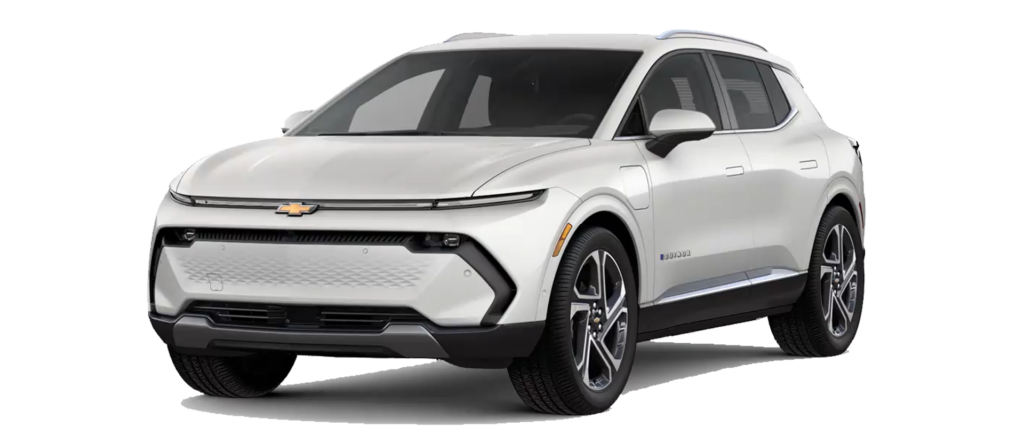
Starting price: $34,995 (LT 1 trim) Range: up to 319 miles (front-wheel drive) Power: 220 hp (FWD) / 300 hp (dual-motor AWD)
The Equinox EV might be the single best argument for why 2026 is a genuinely good year to buy an affordable electric SUV. It’s a compact SUV sized right in the mainstream — think of it as the electric answer to a Honda CR-V or Toyota RAV4 — and it delivers up to 319 miles of EPA-estimated range in its base front-wheel-drive configuration, which is a genuinely impressive number for the money and actually leads most of the vehicles on this list.
What makes the Equinox EV stand out isn’t flashy technology or dramatic styling — it’s that it feels like a completely normal compact SUV first, and an electric vehicle second. For a lot of buyers making their first jump from gas to electric, that’s precisely the point. There’s a spacious back seat, decent cargo space (26.3 cubic feet behind the rear seats, expanding to 57.2 cubic feet with them folded down), and straightforward GM tech that doesn’t require a learning curve to operate.
The lineup keeps things simple for 2026 with three trims — LT 1, LT 2, and RS — with the LT 1 as the clear value pick at $34,995. It comes standard with a 17.7-inch center touchscreen, an 11-inch driver information display, and more than 20 standard safety and driver-assistance features bundled under Chevy Safety Assist. Stepping up to the LT 2 (around $41,795) adds genuinely useful comfort features like wireless phone charging and available ventilated seats, though that pushes you right up against — or slightly over — the $40,000 line depending on your local pricing and any dealer incentives running.
On the charging side, a DC fast charger can add roughly 70 miles of range in just 10 minutes, and an 11.5 kW Level 2 home charger adds about 34 miles of range per hour overnight. One real drawback worth flagging honestly: the Equinox EV doesn’t come with native Apple CarPlay or Android Auto support out of the box in every configuration, which is a genuinely odd omission in 2026 and worth checking on the specific trim you’re considering before you buy.
Best for: someone who wants one EV that genuinely does everything — commuting, Costco runs, kid duty — without needing to think much about the fact that it’s electric at all.
2. Nissan Leaf
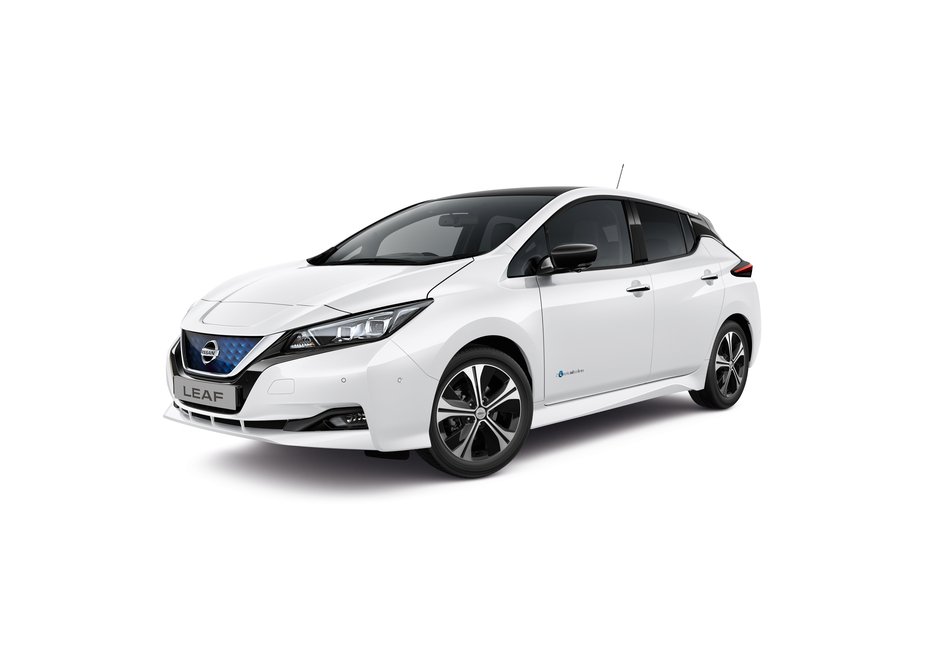
Starting price: $29,990–$31,485 depending on configuration Range: up to 303 miles (top trim) Power: 214 hp
The Nissan Leaf holds a genuinely historic place in this conversation — it was the first mass-produced battery-electric vehicle sold in North America, appearing on dealer lots even before the Tesla Model S, way back in the 2011 model year. For 2026, Nissan didn’t just refresh the Leaf; they completely reimagined it, transitioning it from the compact hatchback shape it’s worn for three generations into a genuine small electric SUV.
This redesign is a genuinely big deal for the affordable EV segment specifically. The new Leaf offers up to 303 miles of range — nearly four times the range of the original 2011 model — while remaining the cheapest new EV you can buy in the US, starting at right around $30,000. That’s a remarkable amount of progress packed into essentially the same starting price the very first Leaf launched at back in 2012, and considerably cheaper once you account for inflation over that period.
The 2026 lineup spans S, S+, SV+, and Platinum+ trims, running from that sub-$30,000 entry point up to around $38,990–$40,485 for the loaded Platinum+, which comes with 19-inch alloy wheels, a 14.3-inch touchscreen, a Bose sound system, a head-up display, and a heated steering wheel. Every trim now includes a NACS charging port for direct access to Tesla Superchargers, alongside the traditional CCS combo port for other public and home charging equipment — genuinely the best of both charging worlds in one vehicle.
Where the Leaf falls a bit short: acceleration is leisurely rather than exciting (Edmunds clocked it around 7.2 seconds to 60 mph in testing), and ride quality can feel a bit unsettled over rough pavement. This isn’t a vehicle built to feel exciting behind the wheel — it’s built to be an easy, sensible, genuinely affordable way into EV ownership, and on that specific measure, it delivers about as well as anything else on the market.
Best for: first-time EV buyers who want the lowest possible entry price without sacrificing genuinely usable range, and who care more about value than outright driving excitement.
3. Hyundai Ioniq 5
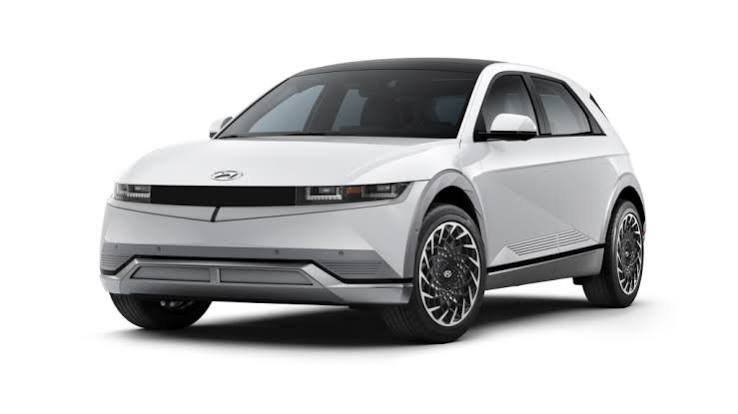
Starting price: $35,000 (SE Standard Range) to $39,800 (SEL, most popular trim) Range: up to 318 miles Charging: 800V architecture, 10–80% in about 18–20 minutes
The Ioniq 5 has claimed “Best Electric Vehicle in its class” honors for several years running, and for 2026, Hyundai made it dramatically more accessible by cutting prices by an average of over $9,000 across the lineup — a direct, deliberate response to the disappearance of the federal tax credit. The SEL trim specifically saw its price drop by nearly $9,800, which is a genuinely enormous cut for a single model year.
What actually makes the Ioniq 5 worth its reputation is the technology sitting underneath its distinctive, retro-futuristic styling. It rides on genuine 800-volt charging architecture, meaning a DC fast charger can take the battery from 10% to 80% in around 18 to 20 minutes at a sufficiently powerful station — among the fastest charging times available anywhere near this price point. Every 2026 Ioniq 5 also comes with a native NACS charging port, giving direct access to more than 25,000 Tesla Supercharger stations without needing an adapter.
The lineup runs from the SE Standard Range (63 kWh battery, 245 miles of range, $35,000) up through SE and SEL trims with the larger 84 kWh battery delivering up to 318 miles of range, and tops out with Limited and XRT trims that push past the $40,000 line into the mid-$40,000s. The SEL specifically — Hyundai’s “most popular” trim according to their own pricing data — lands at $39,800, adding H-Tex leatherette seating, a hands-free power liftgate, wireless charging, and an upgraded highway driving assist system over the base SE for just $2,300 more.
Inside, dual 12.3-inch screens form a continuous display arc across the dashboard, and the cabin’s genuinely flat floor — a byproduct of the dedicated EV platform underneath — creates a lounge-like feeling of space that a lot of competitors, built on adapted gas-car platforms, simply can’t match. Cargo space runs around 27 cubic feet behind the rear seats, expanding to about 59 cubic feet with them folded, plus a small front trunk for charging cables.
Best for: buyers who want the fastest charging technology available at this price point and don’t mind paying slightly more to get it — this is genuinely the vehicle to cross-shop if road trips and DC fast charging are a real, regular part of your life rather than a rare occurrence.
4. Toyota bZ
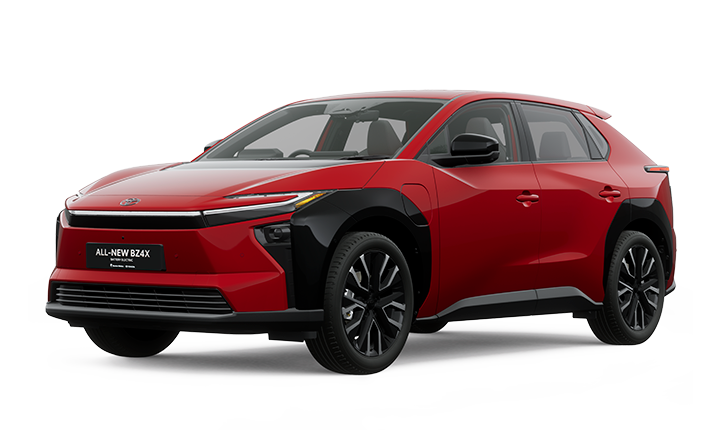
Starting price: $34,900–$36,350 (XLE trim, depending on region and incentives) Range: up to roughly 288 miles depending on trim and drivetrain Power: varies by trim; AWD available
Toyota dropped the slightly clunky “bZ4X” name for 2026 and simplified it to just “bZ,” and alongside that renaming came a genuinely meaningful price cut — more than $2,000 off the base trim compared to the outgoing 2025 model, bringing the front-wheel-drive XLE down to right around $36,350 with the standard battery pack.
The bZ isn’t trying to win any hype cycles, and it knows it. It’s built around calm, comfortable, low-stress driving manners wrapped in a tidy, family-friendly shell — the electric equivalent of a well-worn pair of reliable shoes rather than a flashy new pair you’re not sure will hold up. Upgrading from the standard 57.7 kWh battery to the XLE Plus trim’s larger 74.7 kWh pack adds about $3,000 to the price but delivers meaningfully more range and power, and this XLE Plus trim tends to be the genuine sweet spot in the lineup for most buyers. Adding all-wheel drive tacks on roughly another $2,000 on top of whichever trim you’ve chosen.
Every 2026 bZ trim now comes with an onboard NACS charging port for Tesla Supercharger access, and the updated battery chemistry and new electric motors bumped both range and power up across nearly every trim compared to the outgoing model. Inside, the cabin leans clean and uncluttered rather than tech-overloaded, with genuinely useful comfort additions — like the panoramic glass roof and ventilated front seats available on the Limited trim — reserved for buyers willing to spend a bit more.
The honest trade-off here: the bZ isn’t going to win a comparison based on outright range or charging speed against the Ioniq 5 or Equinox EV, and its acceleration is adequate rather than genuinely quick. What it wins on is Toyota’s reputation for dependability and a notably calm, easy driving experience that lowers the learning curve for someone genuinely nervous about their first EV purchase.
Best for: Toyota loyalists and cautious first-time EV buyers who value a familiar ownership experience and calm road manners over chasing the biggest range or fastest charging number on the spec sheet.
5. Subaru Solterra
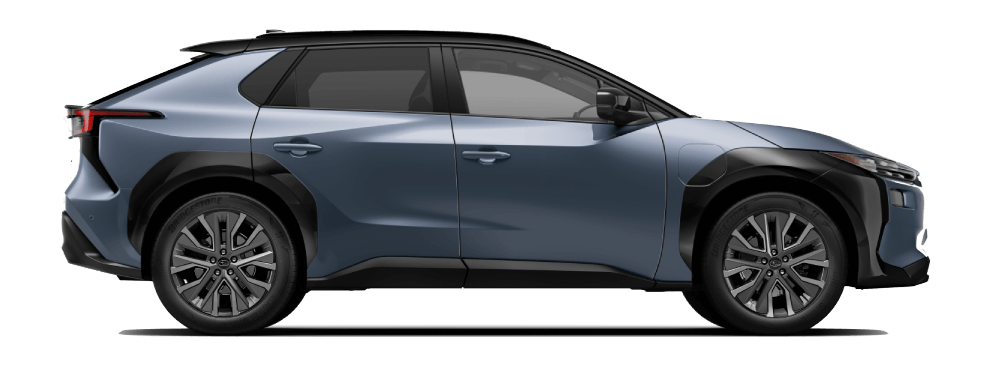
Starting price: around $39,945 (Premium trim, AWD) Range: competitive within its class, similar underlying platform to the Toyota bZ Drivetrain: standard all-wheel drive across the entire lineup
The Solterra shares its underlying platform with the Toyota bZ, but Subaru has clearly worked to make sure it still feels distinctly like a Subaru rather than a rebadged Toyota with different badges glued on. The single biggest differentiator: standard all-wheel drive across every single trim in the lineup, which is a genuinely rare feature at this price point in the EV space, where AWD is usually an expensive optional upgrade rather than a baseline.
For 2026, the lineup has been reworked to make more sense than in its somewhat rocky launch years — regular trims cover daily commuting duty, while the XT models add genuinely real extra punch for buyers who want more than the bare minimum. The most popular configuration, the Premium trim, starts at $39,945 with an electric motor and standard AWD, delivering an estimated 131 MPGe in the city and 109 MPGe on the highway.
Standard safety technology across the lineup is a genuine strength here — Subaru’s EyeSight suite of driver-assistance features comes bundled in even at the entry level, which is exactly the kind of thing that matters more once you’re actually driving through unpredictable weather rather than reading a spec sheet in a warm living room. If you live somewhere that genuinely deals with snow, rain, or unpredictable road conditions for a meaningful chunk of the year, the Solterra’s confidence-first feel and standard AWD make it a genuinely compelling pick over competitors that reserve all-wheel drive for a pricier trim.
Best for: buyers in genuinely rough-weather climates who want standard all-wheel drive without needing to pay extra for it, and who trust Subaru’s specific brand reputation for secure, confidence-inspiring driving in bad conditions.
6. Subaru Uncharted
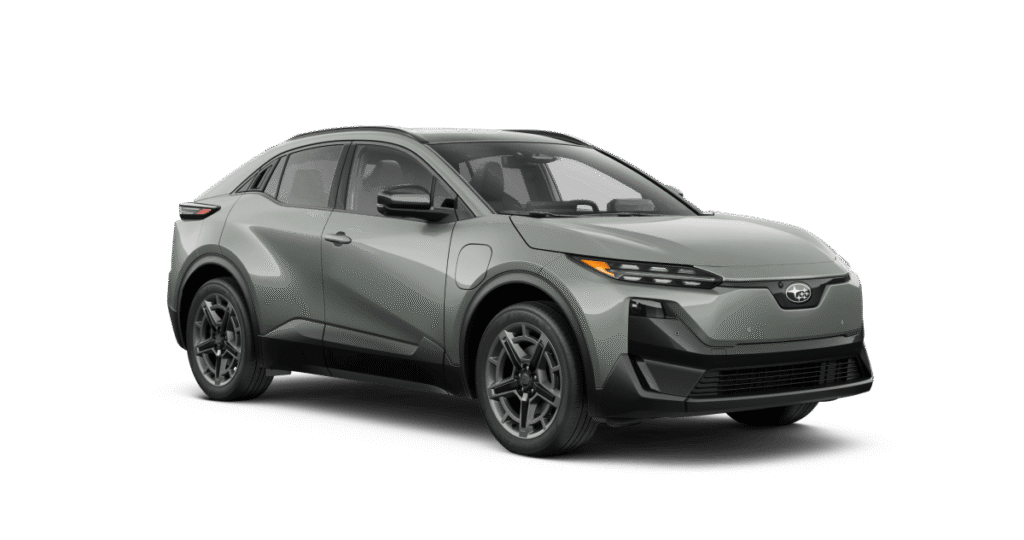
Starting price: $36,445 (Premium FWD) Body style: compact, Crosstrek-sized electric fastback
The Uncharted is Subaru’s newer, smaller electric offering, positioned below the Solterra and aimed squarely at buyers who want an EV that prioritizes an engaging drive over maximizing outright interior space. Think of it as roughly Crosstrek-sized — compact, a bit sportier in silhouette, styled more like a fastback than a boxy traditional SUV.
At $36,445 for the base Premium front-wheel-drive configuration, including destination charges, the Uncharted comfortably sneaks under the $40,000 line even in its best-equipped trim before you start adding options. It comes standard with a genuinely large 14-inch touchscreen featuring wireless Apple CarPlay and Android Auto, alongside Subaru’s EyeSight suite of driver-assistance features carried over from the rest of the brand’s lineup.
This is genuinely a car for someone who wants “an EV that happens to be a Subaru” rather than “a Subaru that happens to be electric” — the emphasis throughout leans toward enjoying the actual experience of driving it, rather than treating the vehicle purely as a practical grocery-getter. If maximum cargo space and rear-seat room are your top priority, the larger Solterra or Equinox EV will serve you better; if you want something a bit more engaging to actually drive on a curvy road, the Uncharted is worth a serious look.
Best for: buyers who want a smaller, more engaging-to-drive EV and don’t need maximum interior space, particularly anyone who already loves the Crosstrek’s footprint and just wants an electric version of that same feeling.
7. Volvo EX30
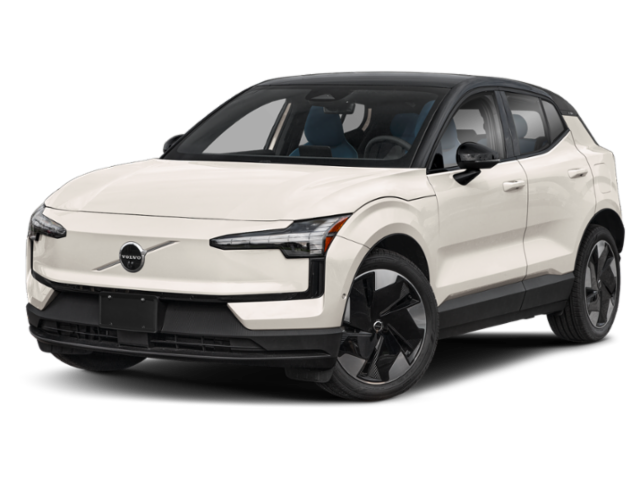
Starting price: $38,950–$40,345 depending on trim and configuration Range: up to 261 miles Power: 268 hp
The Volvo EX30 brings a genuine dose of European design sensibility and Volvo’s typical safety-first engineering to this price bracket, and it does so while actually outmuscling several of its competitors on paper. At 268 horsepower, it out-powers the base Kia Niro EV, and its 261-mile range is competitive with — and in some comparisons, slightly better than — rivals sitting at a similar price.
Before a tariff-related price adjustment, Volvo had actually positioned the EX30 squarely in the mid-$30,000s, which would have made it a genuinely runaway bargain in this segment. Even with the subsequent price increase pushing the base Single Motor configuration up toward the high $38,000s to just over $40,000 depending on exact trim and options, it remains genuinely competitive against the rest of this list, particularly for buyers who care about driving character over raw practicality.
Where the EX30 distinguishes itself from more practical, family-first competitors like the Equinox EV or Solterra is in how it actually feels to drive — sporty, engaging, and distinctly more “fun” in day-to-day handling, at some cost to outright cargo space and rear-seat roominess. If the Nissan Leaf emphasizes comfort and spaciousness above all else, the EX30 sits at almost the opposite end of that same spectrum: distinctive design and genuinely lively handling, in a smaller overall package.
Best for: buyers who want European styling and a genuinely engaging driving experience, and who are willing to trade a bit of interior space and practicality to get it.
8. Kia Niro EV
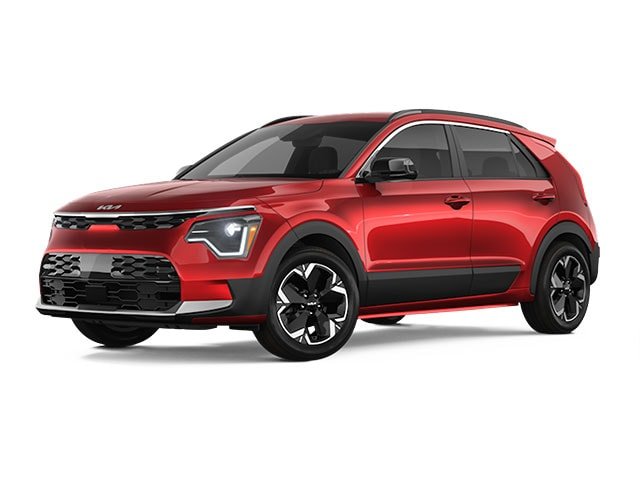
Starting price: $39,700 (Wind trim) Range: 253 miles across both trims Power: 201 hp, front-wheel drive only
The Niro EV remains Kia’s most affordable EV offering — the next model up the Kia lineup, the EV6, starts meaningfully higher at around $42,900, comfortably over this guide’s $40,000 threshold. For 2026, Kia kept pricing essentially flat, with only a modest $100 increase across both trims, though that restraint means the Niro EV now finds itself facing genuinely tougher competition than it did even a year ago, with rivals like the Nissan Leaf and Chevrolet Bolt both now starting under $30,000.
The lineup keeps things simple with just two trims: the Wind at $39,700 and the pricier Wave at $44,700 (which pushes over this guide’s budget line). Both share the same 201-horsepower front-wheel-drive motor and identical 253-mile range — the Wave’s added price buys you a Harman Kardon sound system, a vehicle-to-load power inverter, and a power sunroof, rather than any actual improvement in range or performance. Given that, the base Wind trim is genuinely the smarter buy of the two if you’re shopping this specific model.
Standard equipment on the Wind is genuinely generous for the price: 17-inch alloy wheels, a power tailgate, a power driver’s seat, combination faux-leather and cloth upholstery, heated front seats, and dual 10.25-inch displays. Where the Niro EV falls a bit short against fresher competition: its 253-mile range trails the Volvo EX30’s 261 miles and sits well behind the Nissan Leaf’s 303-mile top-trim figure, and its 7.8-second 0-60 mph time is adequate rather than genuinely quick.
Best for: Kia loyalists and buyers who specifically want a compact crossover shape with a bit more family-friendly interior space than the sportier EX30 or Uncharted, provided you’re comfortable with mid-pack range and performance relative to newer arrivals.
9. Ford Mustang Mach-E
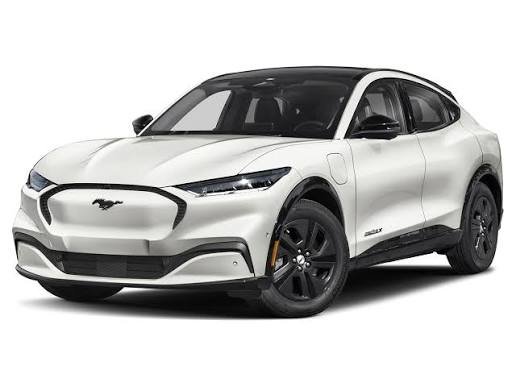
Starting price: $39,840 (following a recent price cut) Range: 240–320 miles depending on battery and configuration Style: stylish, tech-forward crossover with a familiar driving feel
The Mustang Mach-E has weathered a genuinely turbulent few years in terms of software issues and recalls, but it’s emerged as a consistently well-rounded option in the electric SUV space, and a recent price cut brought its base configuration in right under the $40,000 line for the first time in a while. With strong pricing, smart packaging, and a genuinely wide range of trims and battery options, the Mach-E remains a legitimate front-runner rather than a vehicle you settle for.
It doesn’t necessarily lead the segment in any single specific metric — its range varies fairly widely by configuration, from 240 miles at the low end up to 320 miles on the longer-range setup — but it performs consistently well across the board, and its interior and overall driving feel lean noticeably more toward “familiar sporty crossover” than some of the more overtly futuristic competitors on this list, like the Ioniq 5. For shoppers who want an EV that still feels recognizably like the kind of vehicle they’ve driven before, styled with genuine visual flair borrowed from the Mustang name, the Mach-E remains one of the more well-rounded options in this entire price bracket.
Best for: buyers who want the styling and driving feel of a genuinely sporty crossover, and who value a familiar, tech-forward experience over the more overtly futuristic cabin layouts found in some competitors.
A Quick Word on What’s Just Outside the $40,000 Line
A few genuinely strong electric SUVs sit just above this guide’s budget cutoff, and they’re worth knowing about in case your actual budget has a bit of flex or you’re willing to stretch for the right trim.
The Kia EV6 shares its underlying platform with the Ioniq 5 but delivers a sportier, lower-slung driving experience — it starts around $42,900, a few thousand dollars over this guide’s line, but is worth cross-shopping if you’re already considering the Ioniq 5 and want something with a bit more driving flair.
The Volkswagen ID.4 starts considerably higher, generally in the $45,000–$46,500 range depending on trim, but offers genuinely strong interior space and a comfortable ride that’s worth knowing about if your search naturally drifts upward.
The Tesla Model Y, historically priced well above this bracket, recently introduced a new base configuration — the Model Y Standard — that now starts just under $40,000, making it a legitimate new entrant to keep an eye on if you’re comparing options right at this price ceiling.
What Actually Matters Beyond the Sticker Price
A few practical factors are worth thinking through regardless of which specific model catches your eye.
Range: How Much Do You Actually Need?
Most Americans drive somewhere between 25 and 40 miles on a typical day, which means nearly every vehicle on this list — even the shortest-range configurations — comfortably covers daily driving with plenty of buffer left over. Where range genuinely starts to matter is road trips and how often you’re willing to stop and charge along the way. If you regularly drive long distances, prioritize the higher end of each model’s range figures, and lean toward vehicles with faster charging architecture, like the Ioniq 5’s 800-volt system, so your stops stay short.
Charging Speed and Connector Type
Nearly every EV covered in this guide now ships with a native NACS port, giving direct access to Tesla’s expansive Supercharger network — a genuinely significant shift from just a couple of years ago, when adapters were often required. Beyond connector type, actual charging speed varies meaningfully by vehicle: the Ioniq 5’s 800-volt architecture can add a meaningful charge in around 18–20 minutes at a sufficiently powerful station, while some competitors take notably longer to hit the same state of charge. If road-trip charging speed matters to you, this is worth researching specifically for whichever model you’re considering, rather than assuming all EVs charge at similar rates.
Home Charging Setup
Nearly all of these vehicles support both Level 1 (standard household outlet, quite slow) and Level 2 charging (a dedicated home charger, considerably faster). If you have a garage or driveway where a Level 2 charger can be installed, your day-to-day experience with any of these vehicles improves dramatically — you’ll wake up to a full charge every morning without ever needing to think about public charging stations at all for routine driving.
All-Wheel Drive vs. Front-Wheel Drive
Several vehicles on this list — notably the Solterra — offer standard all-wheel drive, while others, like the base Equinox EV and Niro EV, are front-wheel drive only unless you step up to a pricier trim. If you live somewhere with genuinely difficult winter weather, this is worth weighing carefully rather than assuming all EVs handle snow and ice equally well.
Cargo Space and Practicality
If you’re cross-shopping these against a traditional gas SUV you’re replacing, pay close attention to actual cargo figures rather than assuming “SUV” guarantees comparable space. The Equinox EV’s 26.3 cubic feet (expanding to 57.2 with seats folded) and the Ioniq 5’s roughly 27 cubic feet (expanding to about 59) are genuinely competitive, while smaller, sportier options like the Uncharted or EX30 prioritize a more compact footprint over maximum interior volume.
A Side-by-Side Comparison
| Model | Starting Price | Range (miles) | Drivetrain | Best For |
|---|---|---|---|---|
| Nissan Leaf | $29,990 | Up to 303 | FWD | Lowest entry price |
| Chevrolet Equinox EV | $34,995 | Up to 319 | FWD (AWD available) | Best all-around value |
| Toyota bZ | $34,900–$36,350 | Up to ~288 | FWD (AWD available) | Calm, familiar ownership |
| Hyundai Ioniq 5 | $35,000–$39,800 | Up to 318 | RWD/AWD | Fastest charging |
| Subaru Uncharted | $36,445 | Competitive | FWD | Engaging, compact drive |
| Volvo EX30 | $38,950–$40,345 | Up to 261 | Single/Dual motor | Sporty European feel |
| Subaru Solterra | $39,945 | Competitive | Standard AWD | Standard AWD in bad weather |
| Kia Niro EV | $39,700 | 253 | FWD | Kia loyalists |
| Ford Mustang Mach-E | $39,840 | 240–320 | RWD/AWD | Sporty styling |
Prices reflect base or near-base trims as of publication and typically exclude destination fees, taxes, and dealer add-ons; always verify current pricing directly with the manufacturer or a local dealer before making a purchase decision, since EV pricing has been shifting rapidly.
Should You Consider a Lightly Used EV Instead?
It’s worth mentioning that the used EV market has become genuinely compelling alongside this new-car price war. Vehicles that carried $55,000–$60,000 price tags just a couple of years ago have, in some cases, drifted down into genuinely affordable territory on the used market, particularly as leases from the peak EV-incentive years roll over and return to dealer lots. If your budget genuinely caps out well under $40,000 and you’re open to a lightly used vehicle with a model year or two of prior ownership, it’s worth cross-shopping used listings for slightly larger or more feature-rich EVs alongside the new vehicles covered in this guide.
Frequently Asked Questions
Is the federal EV tax credit still available in 2026? No — the federal EV tax credit expired in late 2025. The prices listed throughout this guide reflect actual transaction prices without any credit applied, and several automakers have cut base prices specifically to offset its absence.
Which electric SUV under $40,000 has the longest range? The Chevrolet Equinox EV and Hyundai Ioniq 5 both offer up to roughly 318–319 miles of EPA-estimated range in their longer-range configurations, making them the strongest options on this list if maximum range is your top priority.
Which of these EVs charges the fastest? The Hyundai Ioniq 5 leads on charging speed thanks to its 800-volt architecture, capable of a 10–80% charge in around 18–20 minutes at a sufficiently powerful DC fast charger — notably quicker than most other vehicles at this price point.
Do these EVs all work with Tesla Superchargers? Nearly all of the vehicles covered in this guide now include a native NACS charging port, giving direct access to Tesla’s Supercharger network without an adapter. It’s worth confirming this on the specific trim and model year you’re considering, since older inventory may still use the older CCS-only setup.
Is an electric SUV under $40,000 actually cheaper to own than a comparable gas SUV? It depends heavily on your driving habits, local electricity rates, and whether you can charge at home. Generally, EVs cost meaningfully less per mile to “fuel” than gas vehicles and require less routine maintenance, but the math varies enough by location and usage that it’s worth running your own numbers rather than assuming savings are automatic.
Final Thoughts
Shopping for an electric SUV under $40,000 in 2026 is a genuinely different experience than it was even a year or two ago — not because any single breakthrough changed everything overnight, but because the disappearance of the federal tax credit forced real, sustained price competition among automakers who previously leaned on that credit to justify higher sticker prices. The result is a genuinely strong list of vehicles at this price point: the Equinox EV and Ioniq 5 competing hard on range and value, the Nissan Leaf undercutting everyone on pure price while still delivering genuinely usable range, and specialty picks like the Solterra and EX30 serving buyers with more specific priorities around weather capability or driving character.
There’s no single “best” answer here, because the right choice depends entirely on what actually matters to you day to day — maximum range for road trips, the fastest possible charging, standard all-wheel drive for a rough winter, or simply the lowest price that still gets you into a genuinely usable, modern EV. What’s genuinely encouraging is that, unlike a few years ago, nearly every option on this list is a legitimately good vehicle rather than a compromise you settle for because nothing better existed in your budget.
Whichever one you land on, take the time to actually test drive it, check real-world charging times near your home and along routes you regularly travel, and confirm current pricing directly with a dealer, since incentives and trim availability continue to shift. The electric SUV market under $40,000 has genuinely arrived in 2026 — the hard part now is simply picking which one fits your life best.