
Best Diet Plan for Fast Weight Loss (Beginner Friendly)
Losing weight is one of the most common health goals for people around the world. Whether it’s for improving physical appearance, boosting confidence, or preventing health problems, many individuals are searching for an effective and sustainable way to shed extra pounds. However, with countless diet trends, conflicting nutrition advice, and unrealistic expectations circulating online, beginners often feel confused about where to start.
The truth is that fast weight loss doesn’t require extreme dieting or starving yourself. Instead, it involves adopting a balanced diet plan that supports fat loss while providing your body with the nutrients it needs to stay healthy and energized.
This beginner-friendly guide will walk you through the best diet plan for fast weight loss, including the science behind weight loss, the foods you should eat, foods to avoid, meal plans, tips for staying consistent, and healthy lifestyle habits that accelerate results.
By the end of this article, you will have a clear and practical diet strategy that you can start immediately.
Understanding How Weight Loss Works
Before starting any diet plan, it’s important to understand the basic principle behind weight loss.
The key factor is calorie balance.
When you consume more calories than your body burns, the excess energy is stored as fat. When you consume fewer calories than your body needs, your body begins using stored fat for energy.
This is called a calorie deficit.
For example:
- If your body requires 2000 calories per day
- And you consume 1500 calories
You create a 500 calorie deficit, which leads to fat loss over time.
However, fast weight loss does not mean starving your body. The goal is to reduce calories while still eating nutritious foods that support metabolism and health.
Why Most Diet Plans Fail
It’s easy to start a new diet with excitement and determination, but many beginners find themselves quitting after just a few days or weeks. The main reason? Most diets are either too strict, unrealistic, or ignore the realities of everyday life. For example, extreme calorie restriction might promise rapid results, but it often leaves you feeling exhausted, irritable, and constantly hungry. Completely cutting out your favorite foods—think pizza, chocolate, or bread—can trigger intense cravings, leading to binge eating that undoes all your hard work. Some plans focus so narrowly on one nutrient or food group that your body doesn’t get the variety it needs, affecting energy and overall health. And worst of all, many diets are impossible to maintain long-term. True success comes from a balanced, flexible plan that fits your lifestyle and encourages consistency, not quick fixes.
Key Principles of a Good Weight Loss Diet
A beginner-friendly weight loss plan isn’t about deprivation; it’s about smart choices and sustainable habits. First, focus on whole, unprocessed foods—they are nutrient-dense and keep you full without empty calories. Protein is essential, as it helps you maintain muscle mass while curbing hunger. Fiber-rich foods, like vegetables, fruits, and whole grains, improve digestion and make you feel satisfied longer. Avoid heavily processed items, which often sneak in sugar and unhealthy fats. And don’t forget water! Staying well-hydrated supports metabolism, keeps energy levels steady, and can even reduce unnecessary snacking. By building your diet around these principles, you’ll not only lose weight but also feel healthier, more energetic, and more in control of your eating habits.
Best Foods for Fast Weight Loss
The foods you choose play a huge role in how quickly and effectively you shed fat. Incorporating nutrient-rich, filling options like eggs, lean meats, fish, leafy greens, whole grains, fruits, and healthy fats ensures your body gets what it needs without overdoing calories. These foods help curb cravings, keep your metabolism steady, and support overall health. Pairing the right diet with consistent habits and a little patience is the real secret to sustainable weight loss.
Below are some of the best foods that support fat burning.
1. Eggs

Eggs are one of the best foods for weight loss because they are high in protein and very filling.
Benefits include:
- Boost metabolism
- Reduce appetite
- Provide essential nutrients
Eating eggs for breakfast can help reduce calorie intake throughout the day.
2. Lean Protein Sources
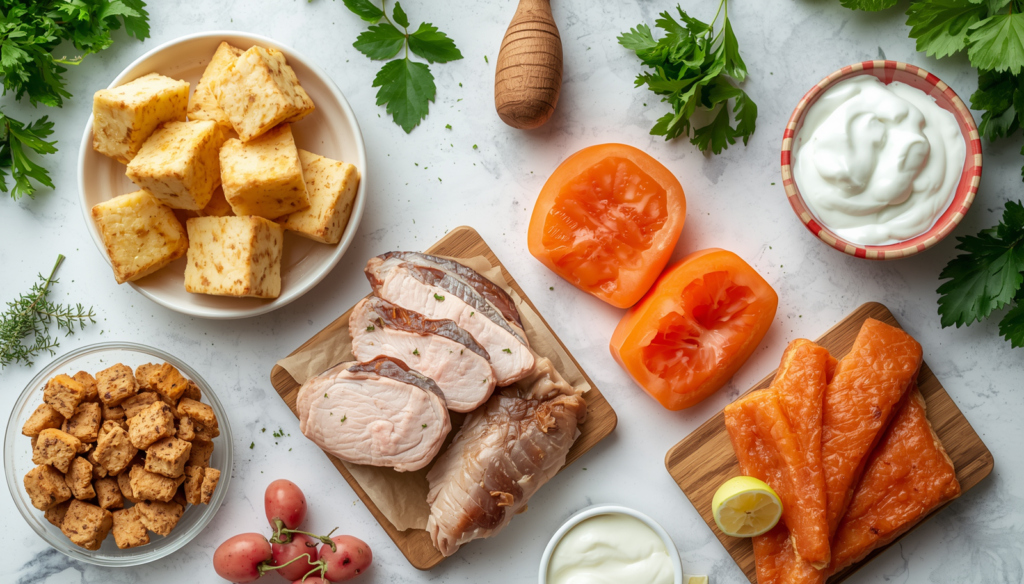
Protein is extremely important for fat loss.
Good sources include:
- Chicken breast
- Turkey
- Fish
- Tofu
- Greek yogurt
Protein helps maintain muscle mass while burning fat.
3. Leafy Green Vegetables
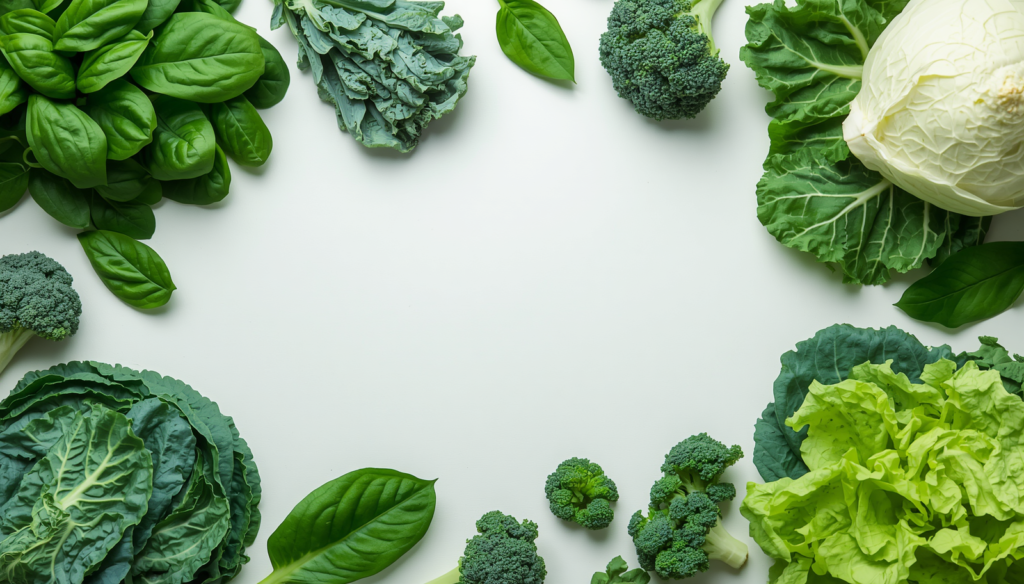
Vegetables are low in calories but rich in nutrients.
Examples include:
- Spinach
- Kale
- Broccoli
- Cabbage
- Lettuce
These foods are high in fiber and help you feel full longer.
4. Whole Grains
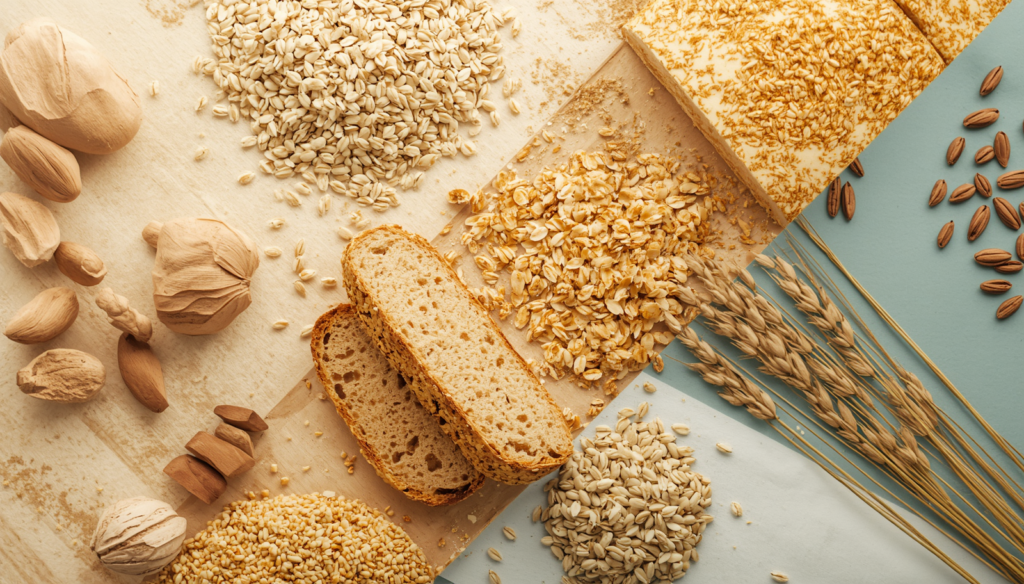
Unlike refined carbohydrates, whole grains provide steady energy.
Examples include:
- Brown rice
- Oats
- Quinoa
- Whole wheat bread
Whole grains also improve digestion due to their fiber content.
5. Fruits
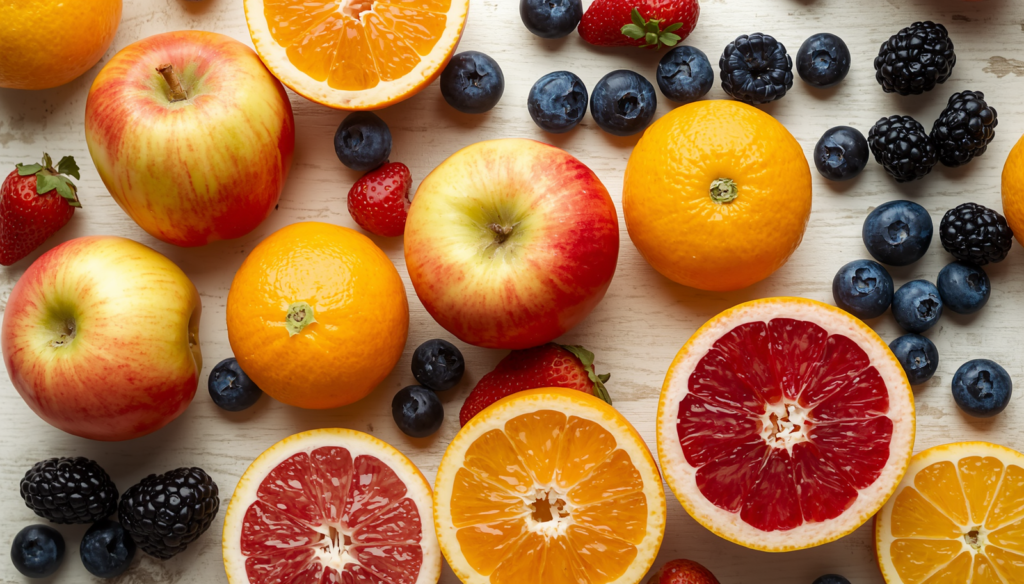
Fruits are naturally sweet and packed with vitamins.
Best fruits for weight loss include:
- Apples
- Berries
- Oranges
- Grapefruit
They satisfy sweet cravings without excessive calories.
6. Healthy Fats
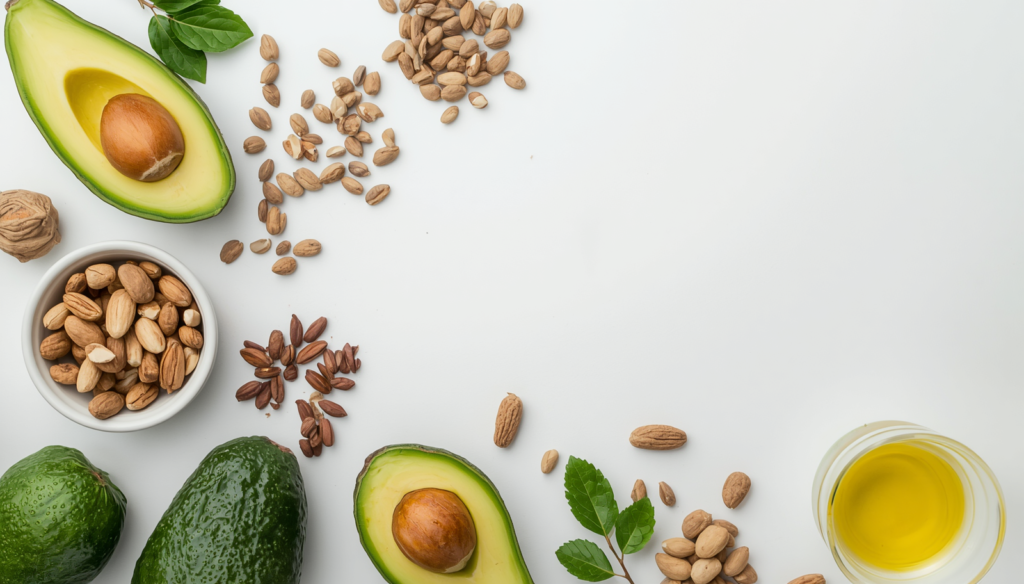
Healthy fats support hormone balance and help control hunger.
Good sources include:
- Avocados
- Nuts
- Seeds
- Olive oil
Even though fats contain more calories, moderate consumption supports weight loss.
Foods to Avoid When Trying to Lose Weight
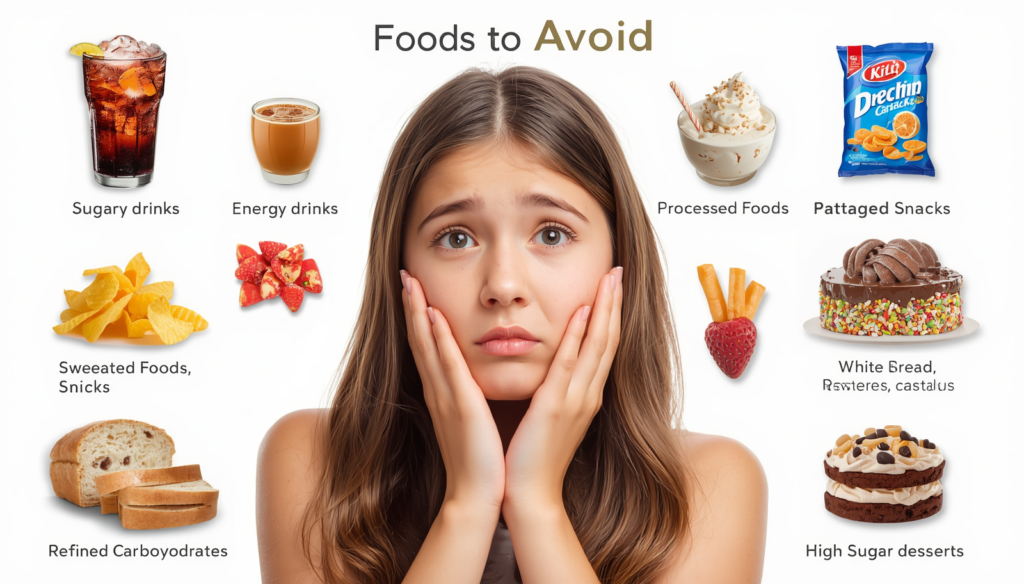
When you’re trying to lose weight, your food choices play a huge role in determining your success. While exercise and healthy habits are important, consistently eating foods that are high in sugar, unhealthy fats, and empty calories can slow down your progress. Many of these foods provide very little nutritional value but contain a large number of calories, which can easily lead to weight gain if consumed regularly. If your goal is to lose weight and improve your overall health, it’s important to limit or avoid the following types of foods.
1. Sugary Drinks
Sugary drinks are one of the biggest hidden sources of calories in modern diets. Many people don’t realize how quickly these beverages can add hundreds of extra calories to their daily intake. Since liquids don’t make you feel as full as solid foods, it’s easy to consume a large amount without noticing.
Soda
Soda is loaded with added sugar and provides almost no nutritional value. A single can can contain around 35–40 grams of sugar, which is close to or even exceeds the recommended daily sugar intake. Drinking soda regularly can increase calorie consumption significantly, leading to weight gain over time. Additionally, the high sugar content can cause spikes and crashes in blood sugar levels, which may leave you feeling tired and hungry soon after drinking it.
Sweetened Coffee
Coffee by itself can be a low-calorie beverage, but once you add flavored syrups, whipped cream, sugar, and sweetened creamers, it quickly turns into a high-calorie dessert. Many popular café drinks can contain 300–500 calories in a single cup. If consumed daily, these drinks can easily sabotage your weight-loss efforts without you even realizing it.
Energy Drinks
Energy drinks are often marketed as products that boost energy and performance, but they typically contain large amounts of sugar and calories. Some energy drinks also include stimulants that may temporarily increase alertness but do little to support healthy weight management. Regularly consuming these drinks can contribute to excess calorie intake and increase the risk of weight gain.
2. Processed Foods
Processed foods are convenient and widely available, but they are often high in unhealthy fats, refined carbohydrates, sodium, and artificial ingredients. These foods are typically designed to taste good and be addictive, which can make it difficult to control portion sizes.
Chips
Potato chips and similar snack foods are high in calories and unhealthy fats. Because they are crispy and easy to eat quickly, it’s common to consume an entire bag without realizing how many calories you’ve eaten. Chips also contain very little fiber or protein, which means they won’t keep you feeling full for long.
Fast Food
Fast food meals are often high in calories, saturated fats, and sodium. Burgers, fries, fried chicken, and other popular fast food items can contain more calories than your body needs in a single meal. Regularly eating fast food can lead to weight gain and may also increase the risk of other health issues such as heart disease and high blood pressure.
Packaged Snacks
Many packaged snacks such as crackers, instant noodles, and processed biscuits are made with refined ingredients and preservatives. While they may be convenient, they often contain high levels of salt, sugar, and unhealthy fats. These snacks provide minimal nutrients while contributing a large number of calories to your diet.
3. Refined Carbohydrates
Refined carbohydrates are foods that have been processed to remove most of their fiber and nutrients. Without fiber to slow digestion, these foods are quickly broken down into sugar in the body. This can cause rapid spikes in blood sugar followed by crashes, which may increase hunger and cravings.
White Bread
White bread is made from refined flour that has had most of its fiber removed. As a result, it digests quickly and doesn’t keep you feeling full for very long. Eating white bread regularly may lead to overeating because your body becomes hungry again soon after consuming it.
Pastries
Pastries such as croissants, donuts, and sweet rolls are typically high in refined flour, sugar, and unhealthy fats. These foods are very calorie-dense but lack the nutrients needed to support a balanced diet. While they may taste delicious, they can easily contribute to excess calorie intake if eaten frequently.
Sugary Cereals
Many breakfast cereals that are marketed toward children and adults alike contain large amounts of added sugar. Even though they may seem like a quick and easy breakfast option, sugary cereals often provide little protein or fiber, making them less filling and more likely to lead to hunger later in the day.
4. High-Sugar Desserts
Desserts are enjoyable treats, but many of them contain high amounts of sugar, fat, and calories. Eating these foods frequently can make it difficult to maintain a calorie deficit, which is essential for weight loss.
Cakes
Cakes are typically made with refined flour, sugar, butter, and frosting. While they may be perfect for celebrations, they are also very calorie-dense. Even a small slice can contain a significant number of calories and sugar, making it easy to exceed your daily calorie goals.
Candy
Candy is one of the most concentrated sources of sugar in the diet. Most types contain little more than sugar, artificial flavoring, and sometimes fat. Because candy doesn’t provide fiber or protein, it won’t keep you satisfied, which may lead to eating more than intended.
Ice Cream
Ice cream is a popular dessert, but it is often high in sugar, fat, and calories. While enjoying a small portion occasionally is fine, frequent consumption can quickly add excess calories to your diet. Many commercial ice creams also include additional ingredients such as chocolate chips, caramel, and syrups, which further increase the calorie content.
Why These Foods Can Slow Weight Loss
The common factor among these foods is that they contain “empty calories.” This means they provide a lot of energy (calories) but very few essential nutrients like vitamins, minerals, fiber, or protein. Because they don’t keep you full for long, they often lead to overeating and increased calorie intake.
When trying to lose weight, the goal is to create a calorie deficit, meaning you consume fewer calories than your body burns. Eating large amounts of sugary drinks, processed foods, refined carbs, and sugary desserts makes it much harder to maintain this balance.
Beginner-Friendly Diet Plan for Fast Weight Loss
Starting a weight-loss journey can feel overwhelming, especially if you are unsure what to eat each day. The good news is that you don’t need complicated diets or extreme restrictions to lose weight. A simple, balanced meal plan that includes protein, fiber, healthy fats, and whole foods can help your body burn fat while still giving you the energy you need throughout the day.
This beginner-friendly diet plan focuses on nutritious meals that are easy to prepare and sustainable in the long term. The goal is not to starve yourself but to make healthier food choices that support steady and effective weight loss.
Breakfast
Breakfast is often called the most important meal of the day, and for good reason. After a full night of sleep, your body needs fuel to start the day. A healthy breakfast helps kickstart your metabolism, improves concentration, and reduces the chances of overeating later in the day.
For the best results, your breakfast should include protein and fiber, which help keep you full for longer and prevent mid-morning cravings.
Here are some simple and healthy breakfast ideas:
2 Boiled Eggs with Whole Grain Toast
Eggs are an excellent source of protein and essential nutrients. Pairing them with whole grain toast provides fiber and slow-digesting carbohydrates that keep you satisfied for hours.
Oatmeal with Berries
Oatmeal is rich in fiber and helps regulate blood sugar levels. Adding berries like strawberries or blueberries gives your meal natural sweetness, vitamins, and antioxidants without adding unnecessary sugar.
Greek Yogurt with Nuts
Greek yogurt is high in protein and great for gut health. Adding a small handful of nuts provides healthy fats and extra crunch, making this breakfast both filling and nutritious.
Smoothie with Banana, Spinach, and Protein Powder
Smoothies are perfect for busy mornings. A blend of banana, spinach, and protein powder provides vitamins, minerals, and protein in one quick meal. You can also add almond milk or chia seeds for extra nutrition.
Eating a healthy breakfast sets a positive tone for the rest of the day and helps control hunger levels.
Mid-Morning Snack
Even with a healthy breakfast, you may start to feel hungry before lunchtime. That’s where a small mid-morning snack can help. A light snack keeps your energy levels stable and prevents extreme hunger, which often leads to overeating during lunch.
The key is to choose snacks that are nutritious and portion-controlled.
Healthy snack options include:
Apple with Peanut Butter
Apples provide fiber and natural sweetness, while peanut butter adds healthy fats and protein that keep you full.
A Handful of Almonds
Almonds are packed with healthy fats, protein, and important nutrients. Just a small handful can keep hunger away for hours.
Yogurt
Plain yogurt is a great source of protein and probiotics, which support digestion and overall health.
Boiled Egg
A boiled egg is one of the simplest high-protein snacks you can eat. It’s convenient, filling, and very low in calories.
Try to avoid snacks that are high in sugar, such as candy, pastries, or sugary granola bars, as they can cause energy crashes later.
Lunch
Lunch should be a balanced meal that includes lean protein, vegetables, and complex carbohydrates. This combination provides long-lasting energy and helps prevent afternoon fatigue or cravings.
A well-balanced lunch keeps you satisfied without making you feel heavy or sluggish.
Some healthy lunch ideas include:
Grilled Chicken Salad with Olive Oil Dressing
This is a light yet satisfying meal. Grilled chicken provides protein, while vegetables supply fiber and essential vitamins. A small amount of olive oil adds healthy fats that support heart health.
Brown Rice with Vegetables and Tofu
Brown rice is a whole grain rich in fiber, and tofu provides plant-based protein. Combined with vegetables, this meal is both nutritious and filling.
Whole Wheat Wrap with Turkey and Vegetables
A whole wheat wrap filled with lean turkey, lettuce, tomatoes, and other vegetables makes a quick and healthy lunch option. It’s balanced, portable, and easy to prepare.
Eating balanced meals during lunch helps maintain steady energy levels and reduces the likelihood of overeating later in the day.
Afternoon Snack
Many people experience hunger in the late afternoon, especially if lunch was several hours earlier. A small, healthy snack can prevent overeating during dinner and keep your metabolism active.
Good afternoon snack ideas include:
Fruit with Yogurt
Combining fruit with yogurt provides natural sweetness, protein, and probiotics that support digestion.
Mixed Nuts
A small portion of mixed nuts offers healthy fats and protein that help curb hunger.
Cottage Cheese
Cottage cheese is high in protein and low in calories, making it a great snack for people trying to lose weight.
The key is to keep snacks small and nutritious so they satisfy hunger without adding too many extra calories.
Dinner
Dinner should be lighter than lunch but still nutritious. Many people make the mistake of eating heavy, calorie-dense meals late at night, which can slow down weight loss.
A healthy dinner should focus on lean protein, vegetables, and light carbohydrates if needed.
Here are some healthy dinner ideas:
Grilled Fish with Steamed Vegetables
Fish is rich in protein and healthy omega-3 fats, while steamed vegetables provide fiber and essential nutrients.
Chicken Stir-Fry with Vegetables
A quick stir-fry made with chicken and colorful vegetables is both healthy and flavorful. Cooking with minimal oil keeps the calorie count low.
Lentil Soup with Salad
Lentils are an excellent plant-based protein source and contain plenty of fiber. Pairing lentil soup with a fresh salad makes for a satisfying and nutritious dinner.
Try to avoid heavy, high-calorie meals late at night, as they may affect digestion and sleep.
Sample 7-Day Weight Loss Diet Plan
To make things easier for beginners, here is a simple weekly meal plan you can follow. It includes healthy and balanced meals that support weight loss.
| Day 1 Breakfast: Oatmeal with berries Lunch: Grilled chicken salad Dinner: Fish with vegetables | Day 2 Breakfast: Eggs with whole grain toast Lunch: Brown rice with vegetables Dinner: Chicken soup | Day 3 Breakfast: Greek yogurt with fruit Lunch: Quinoa salad Dinner: Grilled fish |
| Day 4 Breakfast: Smoothie with banana and spinach Lunch: Chicken wrap Dinner: Lentil soup | Day 5 Breakfast: Eggs with avocado toast Lunch: Tuna salad Dinner: Vegetable stir-fry | Day 6 Breakfast: Oatmeal with nuts Lunch: Chicken with brown rice Dinner: Grilled vegetables with tofu |
| Day 7 Breakfast: Yogurt with berries Lunch: Vegetable salad Dinner: Light soup |
Importance of Hydration
Water plays an important role in weight loss.
Benefits include:
- Improves digestion
- Reduces hunger
- Boosts metabolism
Aim to drink 2–3 liters of water per day.
Drinking water before meals may also reduce calorie intake.
Role of Exercise in Weight Loss
Although diet plays the biggest role in weight loss, exercise helps speed up results.
Good beginner exercises include:
- Walking
- Cycling
- Home workouts
- Strength training
Even 20–30 minutes of daily activity can significantly improve fat loss.
Tips to Lose Weight Faster (Healthy Way)
Losing weight is a goal many people share, but doing it in a healthy and sustainable way is extremely important. Quick-fix diets and extreme restrictions might promise fast results, but they often lead to frustration, fatigue, and eventually weight gain again. The healthiest approach is to build simple habits that support fat loss while keeping your body strong and energized.
Below are some proven strategies that can help you lose weight faster while still maintaining a healthy lifestyle.
1. Increase Protein Intake
Protein is one of the most important nutrients when it comes to weight loss. It plays a key role in building and maintaining muscle, but it also helps control hunger and boost metabolism.
When you eat foods rich in protein, your body takes longer to digest them. This means you stay full for a longer period of time compared to meals that are mostly carbohydrates. As a result, you are less likely to snack on unhealthy foods between meals.
Protein also has a higher thermic effect, which means your body burns more calories while digesting it compared to fats or carbohydrates.
Some excellent sources of protein include:
- Eggs
- Chicken breast
- Fish
- Greek yogurt
- Lentils and beans
- Tofu
- Nuts and seeds
Including a good source of protein in every meal can significantly reduce cravings and help control your daily calorie intake.
2. Eat Slowly
In today’s busy world, many people eat their meals quickly without paying attention to how much they are actually consuming. Eating too fast is a common reason for overeating.
Your brain needs time to receive signals from your stomach that you are full. This process usually takes around 15 to 20 minutes. If you eat very quickly, you may consume more food than your body actually needs before your brain realizes you are satisfied.
Eating slowly allows you to enjoy your food and recognize when you are full. It can also improve digestion and help you feel more satisfied with smaller portions.
Simple ways to slow down your eating include:
- Chewing food thoroughly
- Putting your fork down between bites
- Drinking water during meals
- Avoiding distractions like phones or television while eating
By practicing mindful eating, you naturally reduce calorie intake without feeling deprived.
3. Get Enough Sleep
Sleep is often overlooked when people focus on weight loss, but it plays a crucial role in maintaining a healthy body weight.
When you don’t get enough sleep, your body produces more hunger hormones, such as ghrelin, while reducing hormones that signal fullness, like leptin. This imbalance can cause stronger cravings, especially for high-calorie foods.
Lack of sleep can also reduce energy levels, making it harder to stay active or exercise regularly.
For optimal health and weight management, most adults should aim for 7 to 9 hours of quality sleep each night.
To improve sleep quality, try the following habits:
- Go to bed at the same time each night
- Avoid caffeine late in the evening
- Reduce screen time before bedtime
- Create a calm and comfortable sleeping environment
Getting enough rest supports both physical health and effective weight loss.
4. Reduce Stress
Stress can have a significant impact on body weight. When you experience stress, your body releases a hormone called cortisol, which can increase appetite and encourage the body to store fat, particularly around the abdomen.
Many people also turn to comfort foods during stressful situations, which often include high-sugar or high-fat snacks.
Managing stress is therefore an important part of a healthy weight-loss journey.
Healthy ways to reduce stress include:
- Practicing meditation or deep breathing
- Doing yoga or stretching exercises
- Taking daily walks outdoors
- Listening to calming music
- Spending time with friends or family
Even small daily activities that help you relax can improve both your mental well-being and your physical health.
5. Track Your Food Intake
One of the most effective ways to improve eating habits is to become more aware of what you are consuming each day. Many people underestimate how many calories they eat, especially when it comes to snacks, sauces, and drinks.
Keeping a food diary or using a calorie-tracking app can help you understand your eating patterns. When you track your meals, you can easily identify habits such as frequent snacking, large portion sizes, or hidden sources of sugar.
Food tracking doesn’t mean you need to count every calorie forever. Instead, it helps you learn more about your diet so you can make smarter food choices over time.
Many mobile apps today make tracking simple by allowing you to scan food labels or search for common meals.
Common Weight Loss Mistakes
Many beginners start their weight-loss journey with enthusiasm but unknowingly make mistakes that slow down their progress. Understanding these common errors can help you avoid frustration and stay on track.
Skipping Meals
Some people believe that skipping meals will help them reduce calorie intake and lose weight faster. However, this approach often backfires.
When you skip meals, your body may slow down its metabolism to conserve energy. In addition, extreme hunger later in the day often leads to overeating or choosing unhealthy foods.
Eating balanced meals at regular intervals helps maintain steady energy levels and prevents excessive hunger.
Drinking Too Many Calories
Liquid calories are one of the most overlooked sources of weight gain. Drinks such as soda, sweetened coffee, energy drinks, and packaged juices can contain large amounts of sugar and calories.
Because beverages don’t make you feel as full as solid food, it is easy to consume hundreds of extra calories without noticing.
Replacing sugary drinks with healthier options such as water, herbal tea, black coffee, or infused water can make a big difference in your calorie intake.
Eating Too Fast
Eating quickly prevents your body from recognizing when you are full. As mentioned earlier, it takes time for the brain to receive signals that your stomach is satisfied.
People who eat too quickly often consume more food than they actually need. Slowing down and eating mindfully helps control portion sizes naturally.
Expecting Immediate Results
One of the biggest challenges in weight loss is patience. Many people expect dramatic changes within a few days or weeks, and when that doesn’t happen, they feel discouraged.
Healthy weight loss is a gradual process. Your body needs time to adjust to new eating habits and lifestyle changes.
Focusing on long-term progress rather than quick results helps create sustainable habits that last.
How Fast Can You Lose Weight?
When it comes to weight loss, faster is not always better. Losing weight too quickly through extreme dieting can lead to muscle loss, fatigue, and nutritional deficiencies.
Health experts generally recommend a safe and sustainable rate of weight loss of about 0.5 to 1 kilogram per week (1–2 pounds).
At this pace, most of the weight lost comes from body fat rather than muscle. It also gives your body enough time to adjust to new habits and maintain long-term results.
Crash diets may produce rapid weight loss in the beginning, but they are often difficult to maintain and frequently lead to regaining the lost weight.
Focus on Long-Term Success
The ultimate goal of weight loss should not simply be seeing a smaller number on the scale. Instead, it should focus on improving overall health, building sustainable habits, and maintaining a healthy lifestyle.
By eating nutritious foods, staying active, managing stress, and being consistent with healthy habits, you can achieve lasting weight loss and feel better both physically and mentally.
Benefits of Healthy Weight Loss
Following a balanced diet plan offers many benefits:
- Improved energy levels
- Better heart health
- Reduced risk of diabetes
- Stronger immune system
- Increased confidence
Healthy weight loss improves both physical and mental well-being.
Staying Motivated During Your Weight Loss Journey
Maintaining motivation can be challenging.
Helpful strategies include:
- Setting realistic goals
- Tracking progress
- Celebrating small achievements
- Finding a workout partner
- Staying consistent even during slow progress
Remember that weight loss is a long-term lifestyle change.
Bottom Line
Losing weight quickly does not require extreme diets or complicated meal plans. A balanced and beginner-friendly diet plan focused on whole foods, protein, fiber, and healthy fats can help you lose weight effectively while maintaining good health.
The most important factors for success are consistency, patience, and healthy habits. When combined with regular exercise, proper hydration, and quality sleep, a well-structured diet plan can produce powerful and lasting results.
Start with small changes, stay consistent, and remember that every healthy choice brings you one step closer to your fitness goals.
Your journey to better health and sustainable weight loss begins today.
Disclaimer
All images used in this blog post are either generated using AI tools such as ChatGPT or sourced from Google Search. These images are included solely for educational and informational purposes. We do not claim ownership of any third-party images. If any content unintentionally violates copyright, please contact us, and it will be removed promptly.