Best Pet Insurance Companies in the USA (2026)
My neighbor’s dog, a genuinely sweet but genuinely reckless Labrador named Biscuit, ate a sock. Not a metaphor — an actual sock, whole, off the laundry pile, while she was in the shower. Two days later he was lethargic and wouldn’t eat, and $4,200 in emergency surgery and an overnight stay later, the sock was out and Biscuit was fine. She’d signed up for pet insurance eight months earlier, almost as an afterthought, mostly because a coworker had mentioned it in passing. That policy covered the vast majority of the bill. Without it, she told me later, she genuinely doesn’t know what she would have done — probably a credit card and a knot in her stomach for the next year.
That story is, almost word for word, the story a huge number of pet insurance claims turn out to be. Not a rare genetic condition or a freak accident nobody could’ve predicted — just a dog being a dog, or a cat being a cat, in a way that costs considerably more to fix than most people have sitting around in a “just in case” fund. It’s exactly why more pet owners are signing up every year: more than 7.6 million pets were insured in the US by the end of 2025, up over 8% from the year before, and that number keeps climbing as veterinary costs keep rising faster than general inflation.
If you’re considering pet insurance for the first time, or you’re unhappy with your current provider and shopping around, this guide walks through exactly how pet insurance actually works, what the strongest companies on the market are genuinely good at, where each one falls short, and how to actually compare policies in a way that goes deeper than just glancing at the monthly premium.
Why Pet Insurance Has Become a Genuinely Mainstream Decision
A decade or so ago, pet insurance felt like a slightly niche, slightly indulgent purchase — something people got for a particularly beloved or particularly expensive-breed pet, but not something the average dog or cat owner seriously considered. That’s shifted considerably. Veterinary medicine has advanced dramatically, which is genuinely good news for your pet’s actual health outcomes, but it also means the treatments available now — advanced imaging, specialist surgery, chemotherapy for pets with cancer — cost real money, often rivaling human medical bills for comparable procedures.
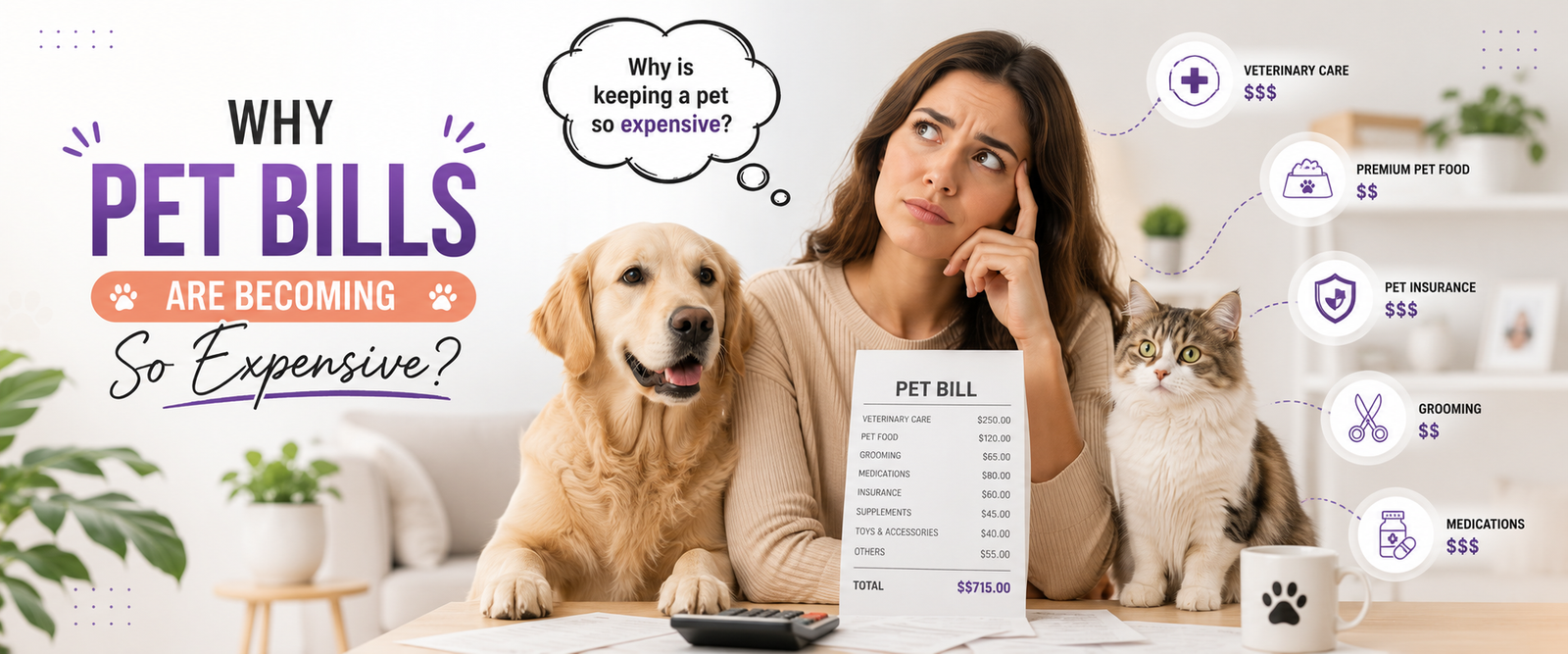
The averages tell the story clearly. Accident-and-illness insurance for dogs runs around $62 a month on average nationally, while accident-only coverage (a cheaper, more limited option) averages closer to $16 a month. For cats, accident-and-illness coverage averages around $32 a month, with accident-only policies averaging closer to $9. These aren’t trivial numbers, but they’re considerably smaller than the alternative: a single emergency surgery, a torn ACL repair, or a multi-day hospitalization for an unexpected illness can easily run into the thousands of dollars, all due at once, with essentially no advance warning.
How Pet Insurance Actually Works
Before diving into specific companies, it’s worth understanding the basic mechanics, since the language here trips up a lot of first-time buyers.
Premium is the amount you pay monthly or annually just to keep the policy active, regardless of whether you ever file a claim.
Deductible is the amount you’re responsible for paying out of pocket before your insurance starts reimbursing you. Deductibles are typically either annual (a single amount that resets once a year, regardless of how many separate conditions you’re treating) or per-condition (a separate deductible for each distinct illness or injury, which resets differently depending on the company’s specific rules).
Reimbursement rate is the percentage of your covered vet bill that the insurer actually pays back to you after your deductible has been met — commonly somewhere between 70% and 90%, depending on the plan you choose.
Annual coverage limit is the maximum amount the insurer will pay out in a single policy year, ranging anywhere from $5,000 on more limited plans up to fully unlimited coverage on more comprehensive ones.
Waiting period is the window of time after you first sign up during which certain conditions — particularly accidents, illnesses, and especially orthopedic issues like hip dysplasia or cruciate ligament tears — aren’t yet covered. This exists specifically to prevent people from signing up the day after their pet gets sick purely to cover an already-known problem.
Nearly every pet insurance company operates on a reimbursement model: you pay the vet bill in full upfront, submit a claim with your documentation, and get reimbursed afterward according to your specific deductible and reimbursement rate. A small number of providers, notably Trupanion, offer direct payment to participating vets instead, which skips the reimbursement wait entirely if your vet’s office is set up for it.
How This Guide Evaluated These Companies
Rather than simply ranking by the lowest advertised premium, this guide weighs the factors that genuinely matter once you’re actually filing a claim: breadth of coverage (does it include exam fees, dental illness, behavioral therapy, alternative treatments), how quickly claims actually get processed, waiting periods for specific conditions like orthopedic issues, whether there’s an upper age limit for enrollment, and overall value relative to the premium you’re paying. A cheap policy that excludes half of what you’d realistically need to claim isn’t actually a good deal — it’s a policy that looks good on a comparison chart and disappoints in an actual emergency.
Let’s get into the companies themselves.
1. ASPCA Pet Health Insurance
Best for: overall balance of coverage and price
ASPCA Pet Health Insurance has earned recognition as a top overall pick across multiple independent rating organizations, largely because of how genuinely comprehensive and customizable its coverage is without straying into premium-only territory. It offers both accident-and-illness policies and standalone accident-only policies, alongside two separate tiers of wellness coverage for routine care like vaccines and checkups.
One detail worth flagging specifically: ASPCA doesn’t impose an upper age limit for enrollment, which matters considerably if you’re trying to insure an older pet that other companies might turn away or restrict. It also extends coverage beyond dogs and cats to horses, offering two base policies and two wellness tiers specifically built for equine owners — a genuinely rare offering in this space. Sample premiums tend to land right around the middle of the pack compared to competitors, making it a solid default choice for someone who wants strong, well-rounded coverage without needing to research a dozen niche differences between providers.
Where it falls short: because it aims for broad, balanced coverage rather than specializing in any one area, ASPCA doesn’t necessarily lead the pack on any single specific metric — it won’t be the cheapest option, nor will it have the single fastest claims turnaround, but it also doesn’t have a genuine weak point either.
2. Pumpkin Pet Insurance
Best for: dog owners, senior pets, and orthopedic-prone breeds
Pumpkin has climbed to the top of several independent rankings recently, particularly for dog coverage — it wins for close to 59% of dog breeds evaluated in one major national study, spanning everything from German Shepherds and Golden Retrievers to French Bulldogs and Rottweilers. A big part of that strength comes down to a couple of genuinely structural advantages baked into its policy design.
First, Pumpkin doesn’t require a clinical exam before enrollment the way some competitors do, which removes a real hurdle for busy pet owners. Second, and more significantly, Pumpkin doesn’t impose a separate, extended waiting period for orthopedic conditions like hip dysplasia or cruciate ligament tears — these are covered under the same standard 14-day-or-less waiting period as any other illness or accident, rather than the 6-month-plus exclusion window a lot of competitors apply specifically to orthopedic issues. For owners of breeds genuinely prone to these conditions — many larger dog breeds, in particular — this alone can be worth thousands of dollars in coverage that a competing policy might simply exclude.
Pumpkin also covers exam fees for accident- and illness-related vet visits (including virtual visits), which is a real cost saver given that exam fees alone commonly run $53 to $174 and show up on nearly every vet bill regardless of what else is being treated. It covers dental and periodontal illness as well, which matters more than people expect given that a large share of cats and dogs develop periodontal disease by age three. There’s no upper age limit for enrollment, making it a genuinely strong option for senior pets that other insurers might restrict or decline. Claims for accident-and-illness policies are typically reviewed within five business days.
Where it falls short: Pumpkin’s reimbursement structure is a simpler two-tier system (generally 80% or 90%) rather than the more granular customization some competitors, like Embrace, offer. Pre-existing conditions that have genuinely resolved become eligible for coverage again after 180 symptom-free days, which is shorter than some competitors but still a real waiting period to be aware of.
3. Pets Best
Best for: cat owners specifically, and buyers who want flexible deductible and reimbursement options
Pets Best consistently ranks at or near the top for cat coverage specifically, and it’s known for offering some of the lowest rates available for feline policies in particular. Where it distinguishes itself structurally is the sheer flexibility in how you can configure a policy — while the annual coverage limit choice is more binary (you’re generally picking between $5,000 or unlimited), there are numerous deductible and reimbursement level combinations available, letting you fine-tune the policy to match your actual budget and risk tolerance more precisely than some flatter, simpler competitors allow.
Where it falls short: the more limited choice in annual coverage caps (essentially just two options) means less granular control on that specific dimension compared to competitors offering a wider spread of limit choices.
4. Lemonade Pet Insurance
Best for: budget-conscious owners of young, healthy pets
Lemonade has built a genuine reputation as one of the most affordable options in this space, with policies starting around $10 a month and average premiums running notably lower than most competitors — roughly $36 a month for dogs and $20 a month for cats, according to aggregated quote data. A big part of what keeps costs down is Lemonade’s tech-forward claims process, which uses AI to review and often instantly approve roughly half of submitted claims, dramatically speeding up what’s traditionally been a slower, more paperwork-heavy process across this industry.
Lemonade’s policies are genuinely customizable, letting you adjust coverage limits, deductibles, and reimbursement rates to fit your specific budget, and in most states, there’s no waiting period at all for accidents specifically (illness coverage still carries a standard waiting window). It also offers a range of wellness add-ons and other optional riders, plus a bundle discount of up to 10% if you already hold another Lemonade insurance product, like renters or home insurance.
Where it falls short: Lemonade caps annual coverage at $100,000 rather than offering a genuinely unlimited option the way some competitors do, and it’s only available in 41 states plus Washington, D.C. as of recent data — worth double-checking availability in your specific state before getting attached to the idea of switching. Its overall coverage breadth also ranks lower in some independent comparisons relative to competitors like Trupanion, even though it wins clearly on price and customer experience.
5. Figo Pet Insurance
Best for: shoppers comparing across multiple top-rated providers
Figo consistently lands among the top overall picks across several major independent rating organizations, frequently mentioned in the same breath as Pumpkin and Pets Best for offering strong, well-rounded value. It’s also frequently cited specifically as one of the more affordable options in the space, making it a genuine contender if you’re trying to balance cost against comprehensive coverage rather than optimizing purely for the lowest possible premium.
Where it falls short: because Figo tends to compete broadly rather than dominating one specific category the way Pumpkin does for orthopedic coverage or Trupanion does for direct vet payment, it’s worth getting a direct quote to compare against your top two or three other finalists rather than assuming it’s automatically the right fit based on its strong general reputation alone.
6. Spot Pet Insurance
Best for: owners who want dental and behavioral coverage built into the base plan
Spot has earned recognition specifically for its perks — its base plan includes things that a lot of competitors sell as separate paid add-ons, including dental illness coverage, behavioral therapy, and vet exam fees. Starting around $15 a month, it’s a bit pricier at the entry level than Lemonade, but that gap partly reflects genuinely more inclusive baseline coverage rather than just a higher markup.
Spot also offers a fully unlimited annual coverage cap as a genuine option, which Lemonade doesn’t provide (Lemonade tops out at $100,000). For older pets, or for owners who specifically want dental coverage without needing to pay extra for an add-on, this baseline inclusiveness can make Spot the better overall value despite the higher starting premium.
Where it falls short: Spot’s standard waiting period for accidents runs about 14 days in most states (with some states allowing next-day coverage), longer than Lemonade’s near-immediate accident coverage in most states — worth factoring in if you’re insuring a young, active pet and want protection to kick in as fast as possible.
7. MetLife Pet Insurance
Best for: multi-pet households
MetLife stands out specifically for households insuring more than one animal, offering genuinely flexible “family plans” that let multiple pets share a single annual deductible and coverage limit rather than requiring entirely separate policies with separate deductibles for each pet. This structure can meaningfully reduce your overall out-of-pocket costs if you’re managing coverage for, say, two dogs and a cat rather than treating each as an isolated policy.
MetLife’s policies also tend to be genuinely inclusive — covering things like previous years’ exam fees and, in many cases, skipping the initial waiting period for accidents specifically, letting coverage kick in essentially immediately for injury-related claims.
Where it falls short: if you only have a single pet, the multi-pet family plan structure that makes MetLife stand out isn’t really relevant to your situation, and it’s worth comparing MetLife’s single-pet plans directly against more specialized single-pet competitors before assuming it’s automatically the best fit.
8. Healthy Paws Pet Insurance
Best for: owners who want a long-established, financially stable insurer with unlimited coverage as the default
Healthy Paws has been operating for more than 15 years, giving it a genuinely longer track record than several newer entrants in this space, and its underwriting is backed by Chubb, which carries an A+ financial strength rating — a genuinely reassuring detail if you’re worried about an insurer’s ability to actually pay out large claims reliably over the long term. Healthy Paws also makes unlimited annual coverage the default structure rather than a premium upsell, and claims are typically processed within two to ten days, among the faster turnarounds in this industry.
Where it falls short, and these are genuinely significant caveats: Healthy Paws does not cover vet exam fees at all, and it excludes dental and periodontal illness treatment entirely — two categories that Pumpkin, by contrast, covers as standard. It also restricts coverage meaningfully for pets enrolled after age six, offering a maximum reimbursement of only 80% (versus 90% for younger pets) and a higher minimum deductible of $250 rather than the $100 available to younger enrollees. Enrollment is capped entirely at age 14 — Healthy Paws won’t insure a pet enrolling for the first time beyond that age. It also excludes cancer coverage entirely if a pet had a malignant growth diagnosed prior to the policy’s start, and hip dysplasia coverage is only available if the pet is enrolled before age six, with a full one-year waiting period before that specific coverage kicks in. For owners of older pets, or pets with any prior cancer history, these restrictions are worth weighing very carefully against Healthy Paws’ genuine strengths in claims speed and financial backing.
9. Embrace Pet Insurance
Best for: buyers who want maximum customization and a short accident waiting period
Embrace offers genuinely more granular customization than a lot of competitors, with standard policies featuring multiple options across deductibles, annual limits, and reimbursement rates — including a 70% tier that some competitors, like Pumpkin, don’t offer at all (Pumpkin’s floor sits at 80%). Embrace’s accident waiting period is notably short, commonly cited around two days, among the shortest in this entire industry, meaning new pet owners get real protection against sudden accidents almost immediately after enrolling.
Embrace also covers curable pre-existing conditions after 12 consecutive months of being symptom-free (longer than Pumpkin’s 180-day window, but a real path back to coverage nonetheless), includes dental illness coverage up to $1,000 per policy year, and offers an optional Wellness Rewards add-on with a flexible annual allowance that can be applied toward vaccines, flea prevention, grooming, or training. It also includes 24/7 access to a veterinary helpline called PawSupport, included at no additional cost on every policy, giving pet owners somewhere to turn with urgent questions outside normal vet office hours.
Where it falls short: Embrace caps new accident-and-illness enrollments at age 15, after which only accident-only coverage remains available — a real limitation for owners of aging pets compared to Pumpkin’s complete lack of an upper age cutoff. Embrace also applies a six-month waiting period specifically for orthopedic conditions, longer than Pumpkin’s standard 14-day window for the same category, which is worth weighing carefully if you own a breed genuinely prone to hip or joint issues.
10. Nationwide Pet Insurance
Best for: households with pets beyond just dogs and cats
Nationwide holds a genuinely unique position as the first pet insurer to operate in the US, giving it a long institutional history and, as a result, considerable expertise in structuring flexible coverage. What sets it apart most concretely is the sheer range of species it covers — beyond dogs and cats, Nationwide extends plans to birds, reptiles, and other exotic pets, a genuinely rare offering that most competitors on this list simply don’t provide at all.
Nationwide also bundles in benefits like unlimited 24/7 pet telehealth access, discounted prescriptions, and multi-pet savings, making it a genuinely convenient all-in-one option for households managing a diverse mix of animals rather than just a single dog or cat.
Where it falls short: for households with just a single dog or cat and no interest in the exotic-pet coverage that sets Nationwide apart, some of its unique advantages become less relevant, and it’s worth comparing directly against more dog-and-cat-focused specialists like Pumpkin or Healthy Paws for that more common use case.
11. Fetch Pet Insurance
Best for: owners who want coverage that extends beyond strictly medical costs
Fetch brings a genuinely broader, more lifestyle-oriented approach to pet insurance, going meaningfully beyond standard veterinary coverage. Its plans include some genuinely distinctive benefits: reimbursement for boarding fees if the pet owner themselves is hospitalized, reward money for a lost pet, and even coverage for vacation cancellation fees tied to a pet emergency. It covers every adult tooth (not just canines, as some more limited dental provisions specify), and it provides dedicated support for behavioral therapy, an area some competitors treat as a lower priority or exclude entirely.
Where it falls short: this broader, more lifestyle-oriented coverage tends to come at a correspondingly higher premium than more narrowly medical-focused competitors, so it’s worth confirming that these extra benefits genuinely matter to your situation before paying extra for them.
12. AKC Pet Insurance
Best for: pets with a manageable prior health issue that’s since resolved
The American Kennel Club’s pet insurance offering stands out for a genuinely unusual approach to pre-existing conditions. It covers illnesses and injuries that occurred before the policy’s effective date or during the waiting period, provided the policy stays continuously active for 365 days — a considerably more forgiving stance than most competitors, which typically exclude pre-existing conditions permanently or require a much longer symptom-free window before reconsidering coverage. AKC also offers optional endorsements covering pet boarding, lost or stolen pet costs, and pet liability insurance.
Where it falls short: this pre-existing condition benefit specifically requires a full year of continuous, uninterrupted coverage before it kicks in, so it’s not a fast fix for an already-active health issue — it’s more of a long-term hedge for pet owners planning to stay with the same insurer for years.
13. Trupanion
Best for: owners who want direct vet payment and are less concerned about monthly cost
Trupanion occupies a genuinely distinct niche in this space: rather than the standard pay-then-get-reimbursed model nearly everyone else uses, Trupanion offers direct payment to participating veterinarians through its VetDirect Pay system, which eliminates the claims and reimbursement wait entirely if your vet’s office is set up to accept it. Coverage is unlimited, and its deductible structure is applied per-condition rather than annually, meaning once you’ve met the deductible for a specific ongoing condition, you won’t need to meet it again for that same condition in future years.
Where it falls short, and this is significant: Trupanion’s premiums run considerably higher than most competitors on this list — around $146 a month for dogs and $74 a month for cats on average, compared to Lemonade’s roughly $36 and $20 respectively for the same categories. Customization is also more limited; you can really only adjust your deductible, since Trupanion doesn’t offer the wellness add-ons or multi-tier reimbursement options that competitors like Lemonade and Embrace provide.
Average Pet Insurance Costs in 2026
To put real numbers around this, here’s a general sense of what pet insurance actually costs across the market, based on national averages:
| Coverage Type | Dogs (monthly average) | Cats (monthly average) |
|---|---|---|
| Accident-only | ~$16.10 | ~$9.17 |
| Accident-and-illness | ~$62.44 | ~$32.21 |
| Overall average premium | ~$81.76 | ~$43.74 |
Keep in mind these are national averages — your actual quote will vary meaningfully based on your pet’s specific breed, age, your geographic location, the deductible and reimbursement rate you choose, and whether you add optional wellness coverage on top of the base accident-and-illness policy.
What Actually Drives Your Specific Premium
Breed matters enormously, since certain breeds are statistically more prone to specific expensive conditions — large breeds tend to have higher orthopedic risk, for instance, while some smaller or flat-faced breeds carry higher respiratory or dental risk.
Age is a major factor too — premiums generally climb as your pet ages, both because older pets are statistically more likely to develop illness and because some insurers apply less favorable deductible and reimbursement terms specifically to older enrollees, as seen with Healthy Paws’ restrictions for pets enrolled past age six.
Location genuinely affects pricing as well, since veterinary costs themselves vary meaningfully by region — insurance premiums in areas with higher-cost veterinary care tend to run higher to match.
Your chosen deductible, reimbursement rate, and annual limit are the levers most directly within your control. A higher deductible and lower reimbursement rate will lower your monthly premium but increase what you pay out of pocket when you actually file a claim — it’s genuinely a trade-off between predictable monthly cost and total cost in an actual emergency, and there’s no universally “right” answer; it depends on your own risk tolerance and budget.
What to Actually Compare Beyond the Premium
Waiting periods, particularly for orthopedic conditions specifically. If you own a large breed genuinely prone to hip dysplasia or cruciate ligament issues, the difference between Pumpkin’s 14-day standard wait and Embrace’s six-month orthopedic-specific exclusion could genuinely be the difference between a covered claim and a denied one, depending on when the issue develops relative to your enrollment date.
Whether exam fees are covered. This sounds minor, but exam fees show up on essentially every vet visit and commonly run $53 to $174 on their own. Pumpkin and Spot include these; Healthy Paws does not.
Dental and periodontal coverage. Given how common periodontal disease is in both cats and dogs by a relatively young age, this is a genuinely significant category to check rather than assume is automatically included.
Upper age limits for enrollment. If you’re insuring an older pet, or want the flexibility to add a new one later in life, Pumpkin and ASPCA’s lack of an age cutoff is a genuinely meaningful advantage over insurers like Healthy Paws (age 14 cap) or Embrace (age 15 cap for full accident-and-illness coverage).
How pre-existing conditions are handled if they’ve resolved. Pumpkin’s 180-day symptom-free window, Embrace’s 12-month window, and AKC’s full 365-day continuous coverage requirement all handle this differently, and the right fit depends on your pet’s specific health history.
Claims speed and process. If instant or near-instant claims processing matters to you, Lemonade’s AI-driven system and Healthy Paws’ 2–10 day turnaround are both genuinely fast compared to some competitors running closer to 10–14 days.
A Side-by-Side Snapshot
| Company | Known Strength | Watch Out For |
|---|---|---|
| ASPCA | Balanced coverage, no age limit | Not the cheapest or fastest |
| Pumpkin | No orthopedic wait, covers exam fees & dental | Simpler 2-tier reimbursement |
| Pets Best | Strong cat rates, flexible deductibles | Limited annual cap choices |
| Lemonade | Lowest average premiums, fast AI claims | $100k cap, limited state availability |
| Figo | Strong all-around value | Less of a standout specialty |
| Spot | Dental & behavioral included in base plan | Longer accident wait than Lemonade |
| MetLife | Multi-pet family plans | Less notable for single-pet households |
| Healthy Paws | Long track record, fast claims, unlimited default | No exam fees, no dental, age-14 cutoff |
| Embrace | Short 2-day accident wait, deep customization | 6-month orthopedic wait, age-15 cutoff |
| Nationwide | Covers exotic pets too | Less specialized for dog/cat-only homes |
| Fetch | Broad lifestyle-style coverage | Higher premiums for the extras |
| AKC | Generous pre-existing condition path | Requires a full year of continuous coverage |
| Trupanion | Direct vet pay, unlimited, per-condition deductible | Highest premiums, least customizable |
Mistakes Worth Avoiding When Choosing a Policy
Waiting until your pet is already sick or older. Premiums and coverage terms both get worse the longer you wait, and pre-existing conditions are essentially never covered by any insurer, no matter how the policy otherwise handles resolved conditions later on.
Choosing purely based on the lowest monthly premium. A cheap policy with a high deductible, a low reimbursement rate, and thin coverage of things like exam fees or dental illness can end up costing you considerably more in an actual emergency than a slightly pricier, more comprehensive plan.
Not checking breed-specific exclusions or waiting periods. If you own a breed with known genetic predispositions — hip dysplasia in larger breeds, respiratory issues in flat-faced breeds — it’s worth specifically confirming how each insurer handles that exact condition rather than assuming general coverage terms apply evenly.
Ignoring the claims process until you actually need it. Whether an insurer pays vets directly, processes claims via app in a couple of days, or requires more manual paperwork over a week or two matters enormously in a genuine emergency, when you’re already stressed and don’t want to be fighting with paperwork on top of it.
Forgetting to compare total cost of ownership, not just the sticker premium. A lower premium paired with a higher deductible might cost more over a two or three year period than a higher premium with a lower deductible, depending heavily on how often your specific pet actually needs care.
Frequently Asked Questions
Is pet insurance actually worth the cost? For most pet owners, yes — the math tends to favor insurance the moment a single serious accident or illness occurs, since emergency surgeries, extended hospital stays, and ongoing treatment for chronic conditions can easily run into the thousands of dollars all at once. That said, if your pet stays healthy for years and you never file a major claim, you’ll have paid more in premiums than you got back — which is really how insurance in general is designed to work, trading a small predictable cost for protection against a large unpredictable one.
Does pet insurance cover pre-existing conditions? Generally, no insurer covers a condition your pet already had before enrollment or during the initial waiting period. Some companies, like Pumpkin, Embrace, and AKC, do offer a path to covering conditions that have since fully resolved and stayed symptom-free for a defined period, but a currently active pre-existing condition will not be covered by any provider.
What’s the difference between an annual deductible and a per-condition deductible? An annual deductible resets once a year regardless of how many separate issues you’re treating, while a per-condition deductible (used by Trupanion, among others) applies separately to each distinct condition — meaning once you’ve met it for a specific ongoing issue, you generally won’t need to meet it again for that same condition in future policy years.
Should I get accident-only or accident-and-illness coverage? Accident-only coverage is considerably cheaper and covers things like injuries from being hit by a car or swallowing something they shouldn’t have, but it won’t cover illnesses like cancer, diabetes, or infections. Accident-and-illness coverage costs more but covers a much broader range of genuine health issues your pet might develop over its lifetime, and it’s the more comprehensive choice for most owners who want real peace of mind.
How early should I enroll my pet? As early as possible, ideally while your pet is young and healthy. Waiting periods apply to every new policy regardless of your pet’s age, and enrolling early avoids any chance of a condition becoming “pre-existing” before you’ve even had the opportunity to get coverage in place.
Final Thoughts
Choosing a pet insurance provider isn’t really about finding a single universally “best” company — it’s about matching a policy’s specific strengths to your pet’s actual situation. A young, large-breed dog genuinely prone to hip issues benefits enormously from Pumpkin’s lack of an extended orthopedic waiting period. A household juggling three pets benefits from MetLife’s shared family deductible. An owner on a genuinely tight budget with a young, healthy cat might do best with Lemonade’s low premiums and fast AI-driven claims. An owner of an older dog with a genuinely complex health history might prioritize ASPCA or Pumpkin’s lack of an age cutoff over a cheaper policy that would restrict or decline coverage outright.
Take the time to actually get quotes from two or three finalists rather than settling for the first company you land on, and read through the specific waiting periods, exclusions, and age restrictions rather than just comparing the monthly premium in isolation. The story that opened this guide — a $4,200 emergency surgery for a dog that ate a sock — is a genuinely ordinary kind of claim, not some rare worst-case scenario, and it’s exactly the kind of moment pet insurance exists to soften. Whichever provider you land on, having a policy in place before you actually need it is, by a wide margin, the single most important decision in this entire process.